TikTok Shop: How to start selling and manage shipping efficiently


Last updated:

TL;DR: TikTok Shop makes it easier for merchants to turn product discovery into sales, but growth can quickly create challenges around fulfillment, shipping, tracking, and returns. Merchants that invest early in automation, multi-carrier shipping, and scalable operations will be better positioned to turn TikTok Shop demand into long-term growth.
TikTok Shop is expanding across Europe, opening a new sales channel for merchants in markets including the Netherlands, Belgium, and Austria.
Getting your product out there is easier than ever. But selling is only half the story. While most conversations focus on creating content and driving sales, fewer talk about what happens once orders start coming in.
As demand grows, fulfillment, shipping, tracking, and returns become just as important as marketing when it comes to delivering a great customer experience.
In this guide, we'll cover how TikTok Shop works, who should use it, and how to prepare for growth from day one.
Key stats: Social commerce in Europe
13.5% of online purchases globally happen through social commerce
Millennials represent 53.1% of the social commerce audience
Netherlands: 8.37% adoption
Belgium: 5.61% adoption Austria: 4.14% adoption
While social commerce adoption in Europe still trails more established channels like marketplaces, consumer behaviour is changing. As platforms like TikTok reduce the gap between product discovery and purchase, merchants have an opportunity to experiment with a growing channel before it becomes mainstream.
To understand why TikTok Shop is attracting so much attention, let's start with the basics.
What is TikTok Shop?
Think about how people shop today. They're no longer just searching for products, they're discovering them while scrolling through content.
A skincare routine, a kitchen gadget, a fashion haul. One video can introduce a product, build trust, and drive a purchase within minutes.
TikTok Shop is built around those moments. It's TikTok's native e-commerce solution that lets customers discover and buy products without leaving the app.
Instead of sending shoppers to an external webshop, TikTok Shop combines content, creators, and commerce in a single experience. Products can be purchased directly through:
in-feed videos,
live shopping streams,
or a brand's Showcase tab.
This makes TikTok Shop fundamentally different from traditional e-commerce channels such as webshops, marketplaces, or search engines.
On platforms like Amazon or Bol, shoppers typically search for a product they already want to buy. On TikTok, products are discovered through content first.
This shift is known as discovery commerce. Rather than relying on search intent, merchants can generate demand by creating engaging content or partnering with creators who introduce products to new audiences.

Why TikTok Shop matters now
The timing of TikTok Shop's European expansion is no coincidence.
Social commerce is growing, particularly among Gen Z and Millennials, and creator recommendations are becoming an increasingly important part of the buying journey. More and more consumers are discovering products through content before they ever search for them.
TikTok Shop taps directly into that behaviour. By combining content and checkout in one place, it makes it easier for customers to move from discovery to purchase in just a few taps.
While social commerce is still emerging across much of Europe, that's exactly what makes TikTok Shop interesting. Rather than replacing existing sales channels, it offers merchants an opportunity to experiment with a growing channel and learn what works before adoption accelerates further.
Is social commerce ready for Europe?
The short answer? Not yet—but that's not necessarily a bad thing.
According to our E-commerce Delivery Compass research, social commerce adoption in the Netherlands (8.37%), Belgium (5.61%), and Austria (4.14%) still trails far behind marketplace adoption, which ranges from 38% to 46% across these markets.
Consumers aren't abandoning marketplaces anytime soon. Platforms like Amazon and Bol remain a key part of the e-commerce landscape, and for many shoppers, they're still the first place to start a product search.
But TikTok Shop isn't trying to compete with marketplaces on search. It's creating a different path to purchase—one that starts with discovery rather than intent.
That's what makes this launch so interesting. The opportunity isn't necessarily where social commerce is today. It's where consumer behaviour is heading.
As platforms continue to reduce the gap between discovery and checkout, early adoption can create a competitive advantage. Merchants who start experimenting now will be better positioned to understand the channel, refine their strategy, and capitalize on future growth.
Who should sell on TikTok Shop?
Not every product is a natural fit for TikTok Shop. And that's okay.
The platform works best for products that can be demonstrated, recommended, or showcased through engaging content. If a customer can see the value of your product in a short video, you're already at an advantage.
Often a good fit | Usually less suitable |
Fashion & accessories | B2B products |
Beauty & personal care | Professional services |
Home & living | Industrial products |
Consumer electronics | Highly technical products |
Lifestyle brands | High-consideration purchases |
Trend-driven products | Long sales-cycle products |
Why? Because these products are highly visual and easy to demonstrate. A creator can show how they work, explain their benefits, and inspire a purchase within seconds. | That doesn't mean these categories can't succeed on TikTok. But they typically require more research, comparison, and decision-making than the platform is designed for. |
Before getting started, it's also worth checking TikTok Shop's category requirements. Certain products may require additional approvals before they can be listed, including beauty products, food and beverages, baby products, medical devices, and some electronics.
And certain products cannot be sold on TikTok Shop at all, including alcohol, tobacco products, weapons, counterfeit goods, and other regulated or prohibited items.
The best results often come from merchants who embrace discovery commerce, using content and creator partnerships to generate interest before customers start actively searching for a product.
How to start selling on TikTok Shop
Ready to sell on TikTok Shop? The setup process is relatively straightforward, but there are a few important decisions to make before your first product goes live.
1. Create your seller account
To register, sellers must be at least 18 years old and operate in a supported TikTok Shop market.
To get started, you'll need to register through TikTok Seller Center and provide information about your business. This includes verifying your identity, business details, and bank account information.
2. Add your products
Once your account is approved, you can start uploading products. High-quality images are essential, and product videos can help increase visibility and engagement. Make sure your product descriptions clearly explain features, benefits, and key selling points.
3. Configure your payment settings
Before you can start accepting orders, you'll need to connect your payment details and review TikTok Shop's fees and payout settings.
4. Set up your shipping and returns process
This is where many merchants underestimate the work involved.
As part of the onboarding process, TikTok Shop requires you to configure warehouse addresses, shipping settings, and return information. You'll also need to decide how orders will be fulfilled once sales start coming in.
Generally, merchants can choose between:
TikTok Shipping (available in selected markets), where TikTok manages carrier selection and shipping labels.
Seller Shipping, where merchants manage their own fulfillment and delivery operations.
For businesses expecting growth, Seller Shipping often provides greater flexibility and control over carriers, delivery options, and fulfillment workflows.
5. Start creating content
With your shop configured, it's time to start generating demand. Products can be promoted through organic content, paid campaigns, creator collaborations, and live shopping events.
Getting your first sale may not take long. The bigger challenge is making sure your operations can keep up when sales start to scale.
The challenge most TikTok merchants underestimate
Most TikTok Shop guides focus on getting your first sale. But what happens when that first sale turns into 100? In reality, that's where the real challenge begins.
TikTok itself recognizes that fulfillment is a critical part of the customer experience. As part of the onboarding process, merchants need to configure warehouse information, shipping settings, and return addresses before they can start selling.
In other words, operational readiness isn't something to think about later. It's part of launching successfully from day one.

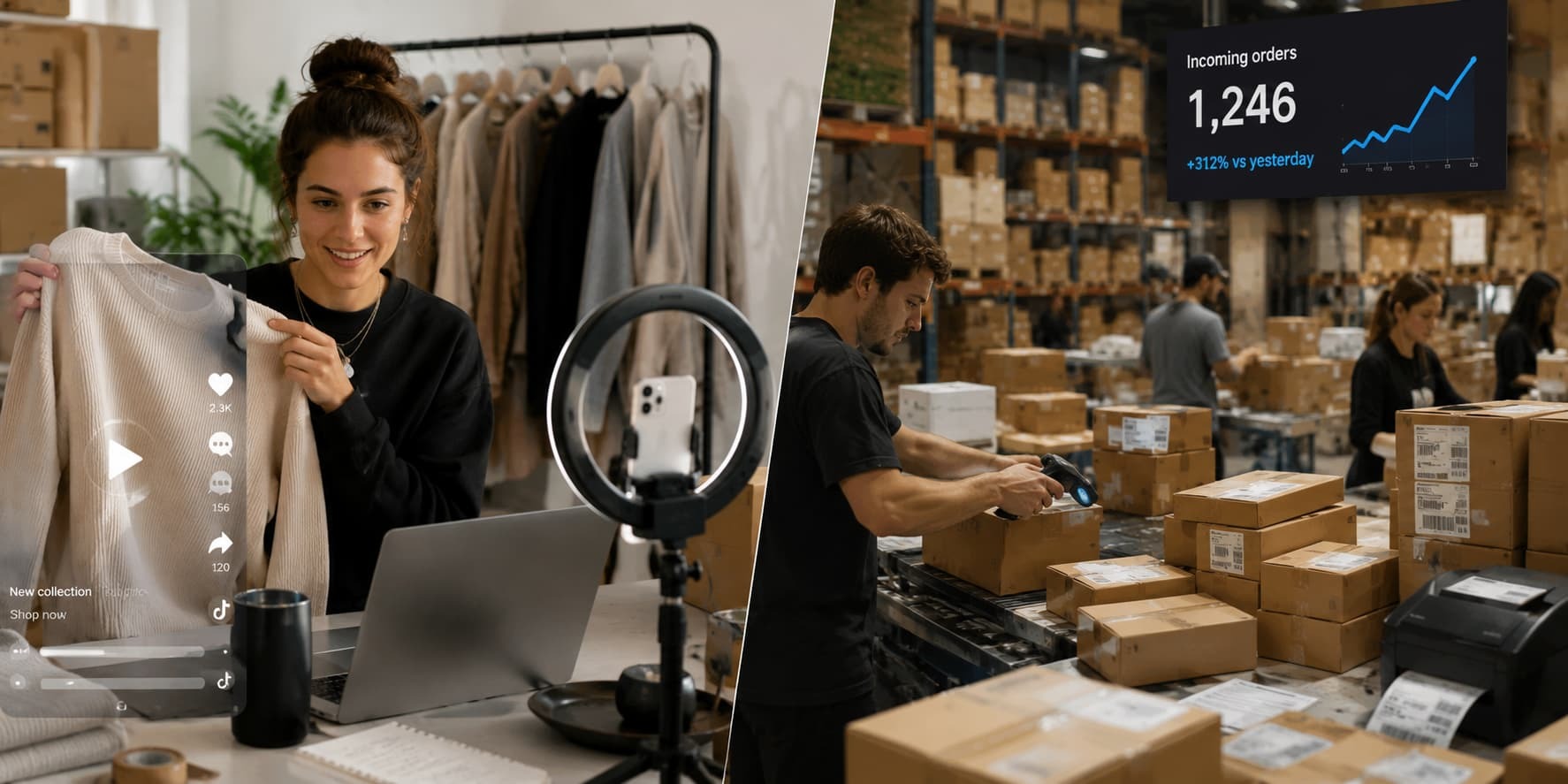
One of the biggest advantages of TikTok Shop is also one of its biggest challenges: demand can be unpredictable. A product featured by the right creator or a viral video can generate hundreds—or even thousands—of orders overnight. Processes that worked perfectly at 20 orders a day can quickly start breaking down at 200.
From our experiences, merchants often run into challenges such as:
Creating shipping labels manually
Copying order information between systems
Managing orders in spreadsheets
Switching between multiple carrier portals
Responding to delivery questions from customers
As order volumes increase, carrier limitations can also become more visible. Relying on a single carrier may work when volumes are low, but delays, capacity constraints, or service disruptions can quickly impact the customer experience.
And then there are returns. As sales grow, returns grow too. Without a clear process in place, managing return requests can become just as time-consuming as shipping the original order.
The good news? These challenges aren't unique to TikTok Shop. They're the same operational hurdles most growing e-commerce businesses face.
The difference is that TikTok Shop can accelerate growth much faster than merchants expect.
That's why shipping shouldn't be an afterthought. The merchants that succeed on TikTok Shop are often the ones that prepare their operations before the orders start rolling in.
How to scale TikTok Shop operations efficiently
A successful TikTok Shop strategy makes sure your operations can keep up when that demand arrives.
Here are five ways to prepare your business for growth.
Focus area | Why it matters |
Automate order management | The more orders you receive, the less time you want to spend moving data between systems. Automatically syncing TikTok Shop orders into a centralized shipping platform helps reduce manual data entry and gives your team a single overview of incoming orders. If you sell across multiple channels, it also makes it easier to manage everything from one workflow. |
Build a multi-carrier shipping strategy | Relying on a single carrier can work when volumes are low. But as your business grows, flexibility becomes increasingly important. A multi-carrier strategy helps reduce carrier dependency, maintain service levels during peak periods, and support international growth. It also gives merchants the flexibility to choose the best delivery option for each shipment instead of relying on a one-size-fits-all approach. |
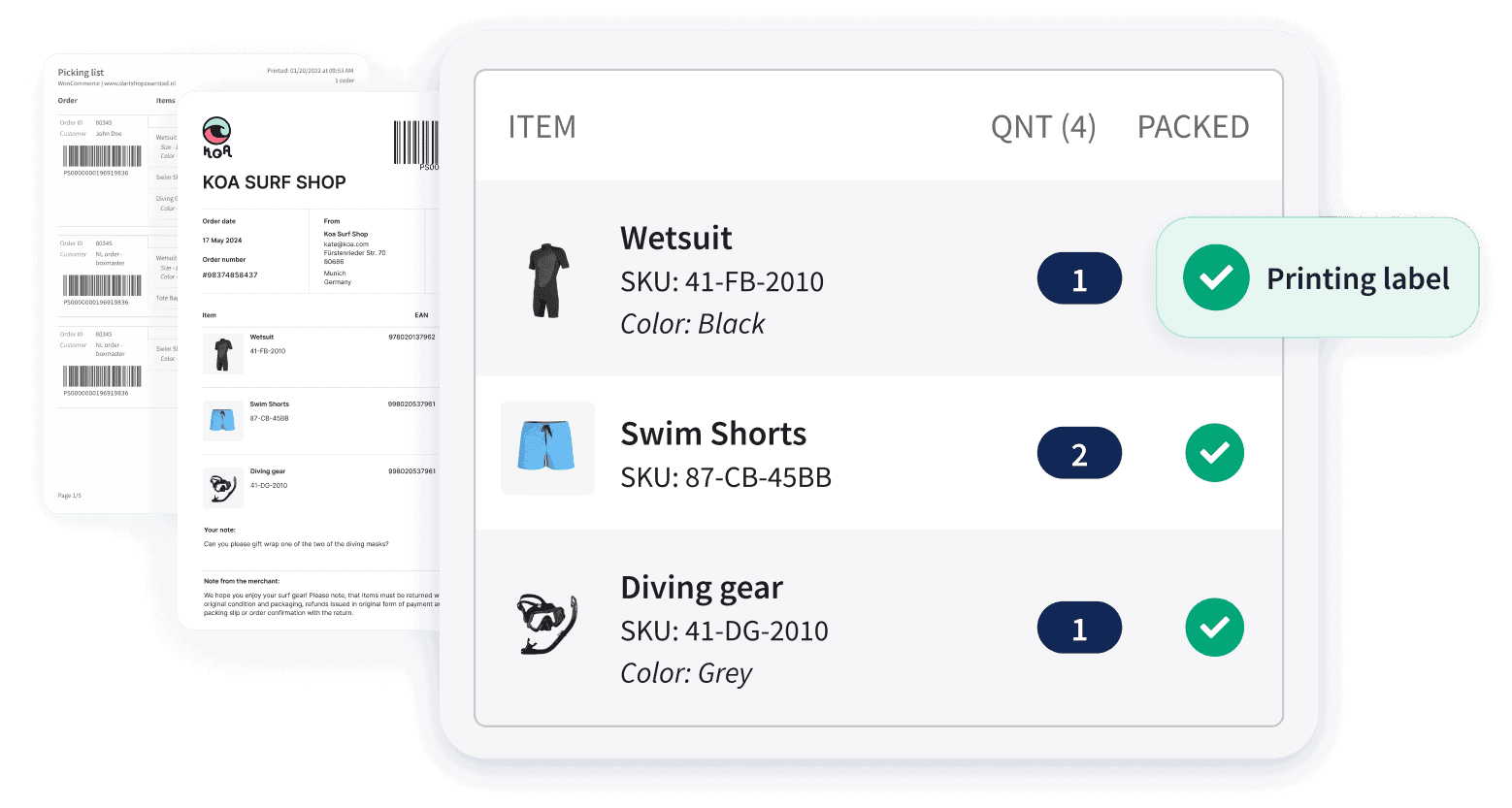
Automate fulfillment workflows | Once orders start coming in, speed matters. Automation tools such as shipping rules and automatic carrier selection can help improve fulfillment by removing repetitive tasks from your workflow. The result? Faster processing times and fewer manual errors. |
Keep customers informed | The customer experience doesn't end at checkout. Customers expect visibility into where their order is and when it will arrive. Proactive tracking updates help reduce delivery-related questions while creating a more transparent post-purchase experience. |
Prepare for returns before you need them | Returns are a natural part of e-commerce—and they tend to increase alongside order volumes. Having a clear returns process in place helps reduce operational workload while making the experience easier for customers. The earlier merchants prepare for returns, the easier it becomes to manage them at scale. |
Think beyond TikTok Shop
For most merchants, TikTok Shop won't be the only sales channel. As your business grows, managing webshops, marketplaces, and social commerce channels separately can create unnecessary complexity. Connecting shipping operations across channels helps create a more consistent and scalable fulfillment process.
How Sendcloud helps TikTok Shop merchants scale
As TikTok Shop sales grow, so does the complexity of managing your shipping operations. Sendcloud helps merchants ship smarter without adding more manual work by:
Automatically syncing TikTok Shop orders into one centralized shipping workflow
Managing TikTok Shop, webshop, and marketplace orders from a single platform
Building a multi-carrier shipping strategy with access to 170+ carriers
Automating repetitive shipping tasks such as order processing, label creation, and carrier selection
Sending tracking information and order updates back to TikTok Shop automatically
Simplifying returns as order volumes increase
Whether you're processing 10 orders or 1,000, Sendcloud helps you deliver a consistent customer experience while keeping shipping operations under control.

The key to scaling TikTok Shop sales
TikTok Shop's expansion into markets such as the Netherlands, Belgium, and Austria gives merchants a new way to reach customers and turn product discovery into sales.
But long-term success depends on more than content and conversions. As order volumes grow, efficient shipping, tracking, and returns become essential to delivering a great customer experience and scaling sustainably.
Ready to simplify TikTok Shop shipping? Explore the TikTok Shop integration and discover how Sendcloud can help you grow without adding operational complexity.
FAQs
Is TikTok Shop available in the Netherlands?
Yes. TikTok Shop is expanding into the Netherlands, giving merchants a new way to sell products directly through TikTok and connect content with commerce.
Is TikTok Shop available in Belgium?
Yes. TikTok Shop is expanding its presence across Europe, including Belgium, allowing merchants to sell products directly within the TikTok app.
Is TikTok Shop available in Austria?
Yes. Austrian merchants can use TikTok Shop to reach customers through in-feed videos, live shopping events, and creator-driven content.
How much does TikTok Shop cost?
TikTok Shop charges fees that vary by market and may change over time. Merchants should check the latest pricing and seller fee information in TikTok Seller Center before getting started.
How do I start selling on TikTok Shop?
To start selling on TikTok Shop, you'll need to create a seller account, verify your business information, upload products, configure payment and shipping settings, and start promoting products through content, creators, or live shopping.
Can I connect TikTok Shop to shipping software?
Yes. ManyTikTok Shop merchants use shipping software to automate order processing, manage multiple carriers, streamline fulfillment, and handle returns as order volumes grow.
How does TikTok Shop shipping work?
TikTok Shop offers different fulfillment options depending on the market. Merchants can either use TikTok-managed shipping services where available or manage fulfillment independently using their preferred carriers and shipping software.
Which carriers work with TikTok Shop?
The carriers available depend on your market and shipping setup. Merchants using shipping platforms such as Sendcloud can connect with more than 170 carriers and choose the most suitable delivery option for each shipment.
How do returns work on TikTok Shop?
Merchants are responsible for managing returns according to TikTok Shop return and refund policies and local consumer regulations. As order volumes increase, many businesses use automated returns solutions to simplify the process for both customers and support teams.
Can I sell internationally with TikTok Shop?
International selling options depend on the markets supported by TikTok Shop. Merchants planning to expand across borders should consider carrier coverage, customs requirements, delivery expectations, and returns processes as part of their growth strategy.


Author and researcher
As Global Content Manager at Sendcloud, Johanna leads content strategy across e-commerce, logistics, and shipping automation. With a background in B2B SaaS and a passion for clear communication, she creates educational resources that help over 30,000 online stores optimize and scale their shipping operations.

Subject matter expert
Partner Marketing Manager at Sendcloud, Clíodhna shares valuable industry insights from top e-commerce experts.
How much time can you save on shipping?

Share
Recommended for you

Sendcloud neemt Sendy over: eenvoud en schaal komen samen
Sendcloud neemt het Nederlandse verzendplatform Sendy over. Samen maken we verzenden eenvoudiger en schaalbaarder voor e-commerce bedrijven in iedere fase van hun groei.
Enterprise
Tracking
Sendcloud’s Post-Purchase Solution, now available in the tools your team already uses
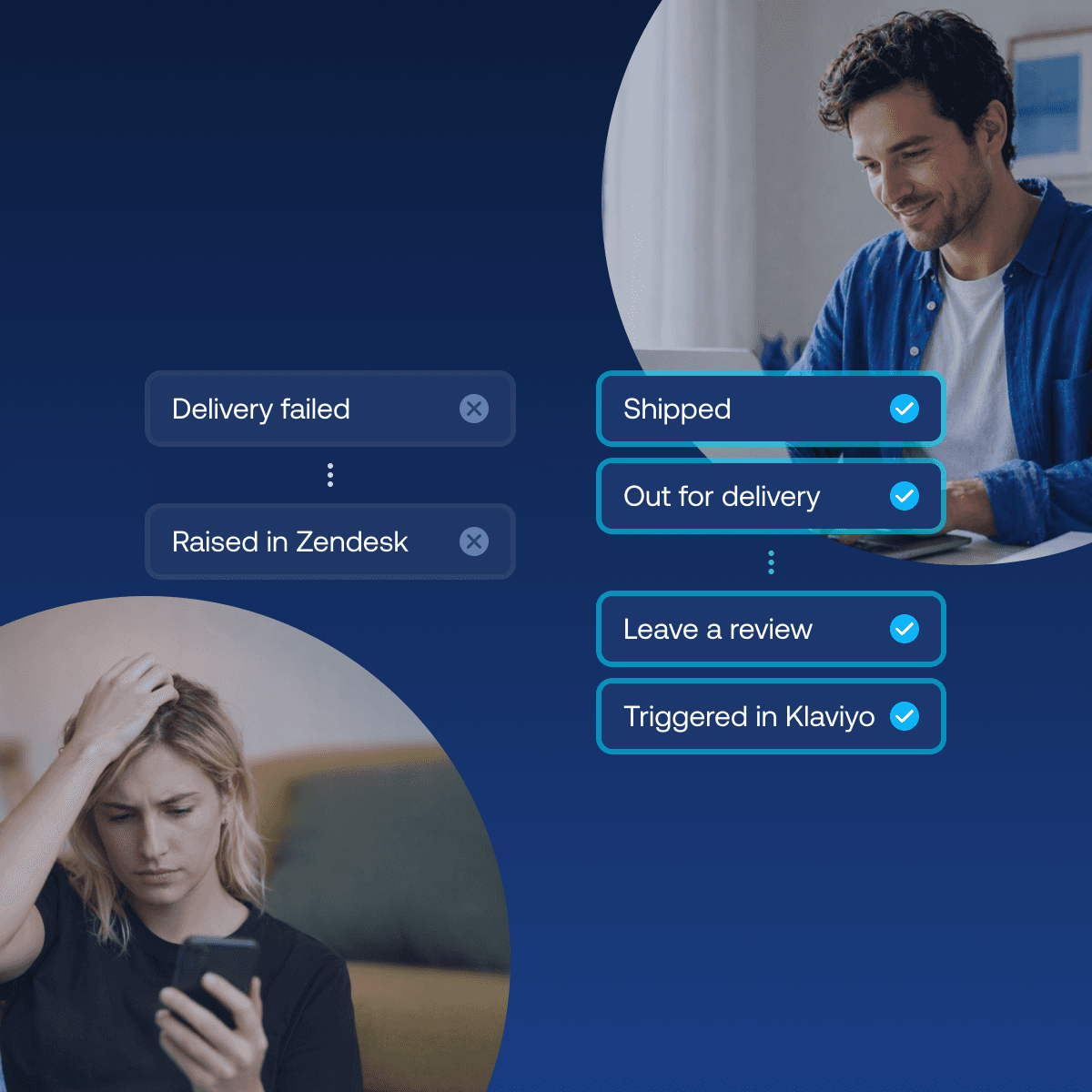
Most retailers leave post-purchase on default, letting carrier notifications and out-of-the-box tracking emails speak for the brand. Sendcloud's Post-Purchase Solution changes that: delivery events now flow straight into the tools your team already uses, like Gorgias, Zendesk, Freshdesk and Klaviyo, turning tracking updates into branded touchpoints, proactive support alerts, and automated claims, no matter which carrier or platform you ship with.

Shipping
Integrations
Best Shopify shipping apps: compare features, pricing & automation
Compare the best Shopify shipping apps for automation, carriers, labels, tracking, returns and international shipping. Find the right app for your store.