How to estimate shipping costs when rates keep changing


Last updated:

TL;DR: Estimating shipping costs for your online store often goes wrong when dimensional weight (DIM), fluctuating fuel and peak season surcharges, changing courier rates, and hidden packaging and handling costs are overlooked, causing margin loss or cart abandonment. This guide shows e-commerce businesses how to calculate accurate shipping costs step by step and build a more predictable shipping cost strategy using smarter planning and tools like Sendcloud’s all-in-one shipping platform and pre-negotiated shipping rates.
Shipping costs used to be straightforward: weigh a parcel, look up the rate, charge the customer. Now, fuel surcharges change monthly, dimensional weight can double your billed weight, and carriers update prices mid-year. Estimating shipping costs accurately has become one of the hardest parts of running a growing e-commerce business.
This guide will help you break down how to estimate shipping costs for your online business, show where most estimates go wrong, and offer a smarter approach to planning for shipping costs.
Why estimating shipping costs matters
For many online businesses, shipping is consistently one of the biggest running costs, alongside inventory and marketing. Yet many merchants treat it like a fixed cost: set once at the start of the year, then forgotten. That’s risky.
Shipping cost estimation is the process of calculating the total cost of delivering a parcel based on weight, size, destination, service level, and surcharges. When your estimates are off, you’ll feel it fast:
You undercharge at checkout → you lose margin A €4.95 flat rate looks fine until a batch of parcels gets hit with a large parcel surcharge and your profit disappears.
You overcharge → shoppers bounce Shipping is one of the first things customers compare. If your delivery price looks high, they’ll abandon the cart and buy elsewhere.
You plan budgets that don’t survive the year Carrier adjustments, fuel changes, and new fees can turn “safe” forecasts into surprise costs.
You spend time fixing problems instead of shipping Rate updates, manual checks, customer complaints, and invoice surprises add admin you don’t have time for.
Estimation isn’t just a finance exercise. It’s how you plan smarter, protect margins, price confidently, and avoid nasty surprises later.
How e-commerce shipping costs are calculated
Here’s a breakdown of what really goes into each shipment’s cost. Use this as your reference when estimating:
Cost factor | What it means |
|---|---|
Base rate | Standard fee per parcel, based on your carrier contract or aggregator pricing |
Package weight / DIM | Either actual weight or dimensional weight (length × width × height ÷ divisor) |
Zone / distance | Domestic, EU, or international shipping zones; longer zones cost more |
Service level | Express or same-day services cost more than standard delivery |
Packaging & handling | Box cost, filler materials, labor time |
Surcharges | Fuel, remote area, peak season, oversize, address correction, etc. |
Simplified: Shipping cost = Base rate + Surcharges + Packaging + Handling
Hidden costs are often the biggest risk. For example, dimensional (DIM) pricing can mean a lightweight but bulky box is charged as if it weighs 5 kg.
Most e-commerce shipping costs are built from the same building blocks. Let’s make this concrete and explore them one by one:
1) Base rate (your starting point)
This is the carrier’s core price for a shipment based on:
origin and destination
service level (standard vs. express)
billed weight (actual or DIM)
your pricing setup (own contract vs. pre-negotiated rates)
Think of it as the “menu price” before all the extras.
Where to get it: carrier rate cards, your contract, or carrier calculators (like UPS’ shipping calculator).
2) Weight (actual) vs. dimensional weight (DIM)
Here’s where many estimates go wrong.
Carriers don’t only charge for how heavy a parcel is. They charge for how much space it takes up in the network.
That’s DIM pricing.
DIM weight formula (simplified):
DIM weight (kg) = (L × W × H in cm) ÷ (carrier-specific) DIM divisor
Then the carrier charges you based on the higher number:
Actual weight
DIM weight
Quick example: Your parcel weighs 1 kg, but it’s bulky: 40 × 30 × 30 cm. If the divisor is 5000:
DIM weight = (40×30×30) / 5000 = 7.2 kg
You get billed as ~7.2 kg, not 1 kg
Same product. Very different shipping cost.
Tip: If you only track “product weight” and not “packed dimensions,” your estimates will drift. Try our handy dimensional weight calculator!
3) Distance and shipping zones
Shipping costs don’t increase linearly with distance. Carriers use shipping zones to group destinations by how far they are from the origin warehouse.
Each zone has its own base rate. The higher the zone, the higher the price — even if the parcel weight and size stay the same.
What this means in practice:
A 2 kg parcel shipped locally might fall into zone 1 and cost €4
The same parcel shipped cross-country could fall into zone 5 and cost €7
Ship it cross-border, and you may enter a completely different zone table with higher base rates and extra surcharges
Note: Zones also affect which surcharges apply. Remote or island destinations often sit in higher zones and trigger additional fees automatically.
4) Service level and delivery speed
Faster delivery costs more. But it also impacts conversion and repeat purchase.
Your estimate should reflect what you actually sell:
Standard (best for margins)
Next day (best for speed)
Premium options (signature, time-slot, nominated day, etc.)
If your checkout says “next day,” but your estimate uses standard rates, you’ll undercharge by default.
5) Packaging and handling
Carriers aren’t your only shipping cost.
Include the basics:
Box or mailer cost
Void fill, tape, labels
Labor time (pick, pack, handover)
Warehouse overhead (if relevant)
If your estimate only includes carrier rates, you’re underestimating the true cost per shipment, especially as order volume grows.
Note: Poor parcel packing leads to damaged goods, higher shipping costs, and lost customers. Discover how to pack smarter to deliver a better unboxing experience at scale and protect your margins.
6) Surcharges (the sneaky part)
Surcharges are added on top of the base rate. The tricky part about them? They change often, and they stack. Many are percentage-based, so they rise as base rates rise. Others trigger only for certain destinations, sizes, or seasons.
Common examples:
Fuel surcharge
Remote area / island fee
Peak season surcharge
Large parcel / oversize fee
Address correction fee
Residential delivery fee (more common in some markets)
Returns-related fees (depending on setup)
If your estimate ignores surcharges, it isn’t really an estimate. It’s wishful thinking.
Quick reference: Common surcharges & their impact
Surcharge type | Average cost | Typical trigger |
|---|---|---|
Fuel surcharge | 8–15% | Applied to every shipment; updated monthly |
Remote area fee | €2–€5 | Rural or island postcodes |
Oversize / heavy | €10–€30 | Exceeds carrier thresholds (e.g. 1m+ length) |
Address correction | €5–€10 | Invalid or incomplete address |
Peak season fee | €1–€3 | Sept–Jan surcharges |
Fortunately, there are many strategies to reduce or even avoid them. Discover our well-practised strategies for avoiding shipping surcharges.
How to estimate the cost of shipping a package (step-by-step)
You don’t need a perfect model. You just need a model that’s realistic enough to protect your margin. Here’s where you start:
Step 1: Define your “shipping mix”
Start with what you ship today:
Top destinations (countries/regions)
Typical parcel sizes (packed)
Average weight
Service levels you actually use
Carrier(s) you ship with
Tip: If you don’t know your parcel dimensions, start by measuring how your top 20 best-selling SKUs are packed. These products usually account for most of your shipments, so this gives you a realistic picture of your average parcel size and DIM exposure without analysing your full catalog.
Step 2: Calculate billed weight (DIM vs actual)
For each parcel type:
Measure packed dimensions
Calculate DIM weight
Compare with actual weight
Use the higher number as billed weight
This step alone often explains “mystery margin loss.”
Step 3: Pull base rates for your top lanes
Pick your top lanes (example: NL → NL, NL → BE, NL → DE, NL → FR) and pull the base rates for:
Standard
Express (if you offer it)
Use carrier calculators as a reference, but remember: calculators don’t always reflect your contract, and they rarely show the full surcharge picture.
Looking for better rates for your online business? Sendcloud offers competitive pre-negotiated rates with top carriers. Check out our pricing page and choose your country to see our shipping rates.
Step 4: Add a surcharge buffer
You won’t predict every fee. But you can estimate an average surcharge impact by lane.
A simple approach:
Domestic: add a small buffer (e.g. a 5–10% buffer for fuel and minor fees)
Cross-border: add a bigger buffer (e.g. 10–20% to account for fuel, zone-related fees, and seasonal surcharges)
Bulky parcels: add a bigger buffer (e.g. a fixed €2–€5 per parcel or more, depending on carrier thresholds)
If you already have invoices, look at the average surcharge % on a representative month.
Step 5: Add packaging, handling, and service-related costs
Even a rough estimate helps:
Packaging cost per parcel (average)
Labor time per parcel × hourly cost (or a flat internal cost)
Common service add-ons you apply by default (e.g. delivery signatures or insurance for high-value orders)
Now you have a realistic “cost per shipment,” not just the carrier’s base rate.
Step 6: Stress test your estimate
Ask 3 quick questions:
What happens if fuel rises this quarter?
What if we ship 20% more cross-border next month?
What if our average box size grows because we introduce bundles?
If those scenarios break your margin, your pricing strategy needs a buffer or a more predictable cost setup.
Want to drive down shipping costs for your whole business? See our expert tips to reduce shipping costs.
Where most estimates break down
Most shipping estimates don’t fail because the math is wrong. They fail because the inputs change.
Common breakdown points:
Mid-year carrier rate updates: Base rates, thresholds, or fees are updated outside annual planning cycles.
Surcharge fluctuations: Fuel, peak, and size-based surcharges change frequently and are often applied after shipping.
DIM weight misunderstandings: Estimates rely on product weight, not packed dimensions, especially risky for bundles or bulky items.
More cross-border orders than you expected: More cross-border or remote deliveries quietly push parcels into higher-cost zones.
Outdated assumptions: Box sizes, volumes, or service levels change, but estimates don’t get revisited.
Manual processes that don’t scale: Spreadsheets, static rate tables, and human updates increase error risk as volume grows.
The result: estimates look accurate on paper, until real invoices tell a different story.
Managing high volumes or multiple carriers? If you want a clearer view of what your shipping really costs, our guide on the Total Cost of Shipping breaks down the full cost picture for more complex operations.

Why changing rates break planning
Here’s the frustrating truth:
An estimate only helps if the cost holds steady.
When base rates keep moving, you end up with:
Budgets that need constant revisions
Pricing decisions you don’t trust
Checkout prices that drift away from reality
Time spent chasing carrier updates instead of growing your shop
The bottom line? When rates change mid-year, you either raise checkout prices (and risk conversions) or absorb the cost. Neither feels good.
When rates stay stable, your estimates actually start to hold. If you want to compare rates without opening five carrier portals, check out our pricing and pre-negotiated rates.
Beyond estimation: Why predictability matters more
Estimating gives you structure. It’s how you understand the parts: base rates, zones, DIM, and surcharges.
But control comes from predictability. You only feel in control when your costs stop jumping around.
Because the real problem usually isn’t that you can’t calculate shipping. It’s that shipping costs are unstable, and instability kills planning. If you don’t want to re-run estimates all year, the goal shifts from “perfect estimate” to a cost setup that doesn’t change every few months. That’s when predictable pricing starts to matter.
How Sendcloud supports smarter cost planning
If you’re managing shipping costs, you need 2 things:
A reliable way to compare options
Fewer surprises after the parcel leaves your warehouse
Here’s where Sendcloud helps:
Compare carriers without the tab chaos
Instead of checking multiple portals, you can compare shipping methods in one place and choose the best value per parcel (based on destination, speed, and size).
Use your own contracts (or pre-negotiated rates)
Bring your carrier contract into the Sendcloud platform, or use pre-negotiated rates when that makes more sense for your volume.
Track cost performance over time
Shipping costs aren’t just “today’s rate.” You want to know what’s happening across lanes, carriers, and destinations so you can spot changes early. That’s where analytics and reporting make a huge difference.
Predictable pricing for budget stability
If constant rate changes are breaking your planning, predictable pricing can help you move from reactive updates to costs you can actually rely on.
With predictable carrier rates, merchants:
Don’t reprice checkout every quarter
Don’t rebuild spreadsheets after each carrier update
Don’t absorb surprise surcharges months later

Customer success: KAA Gent drives down costs and improves delivery
KAA Gent, one of Belgium’s top football clubs, needed a shipping setup that matched the passion of its fans.
“We want to keep shipping costs as low as possible for our customers.” - Jonas Oliebos, Digital Coordinator
Shipping using Sendcloud meant:
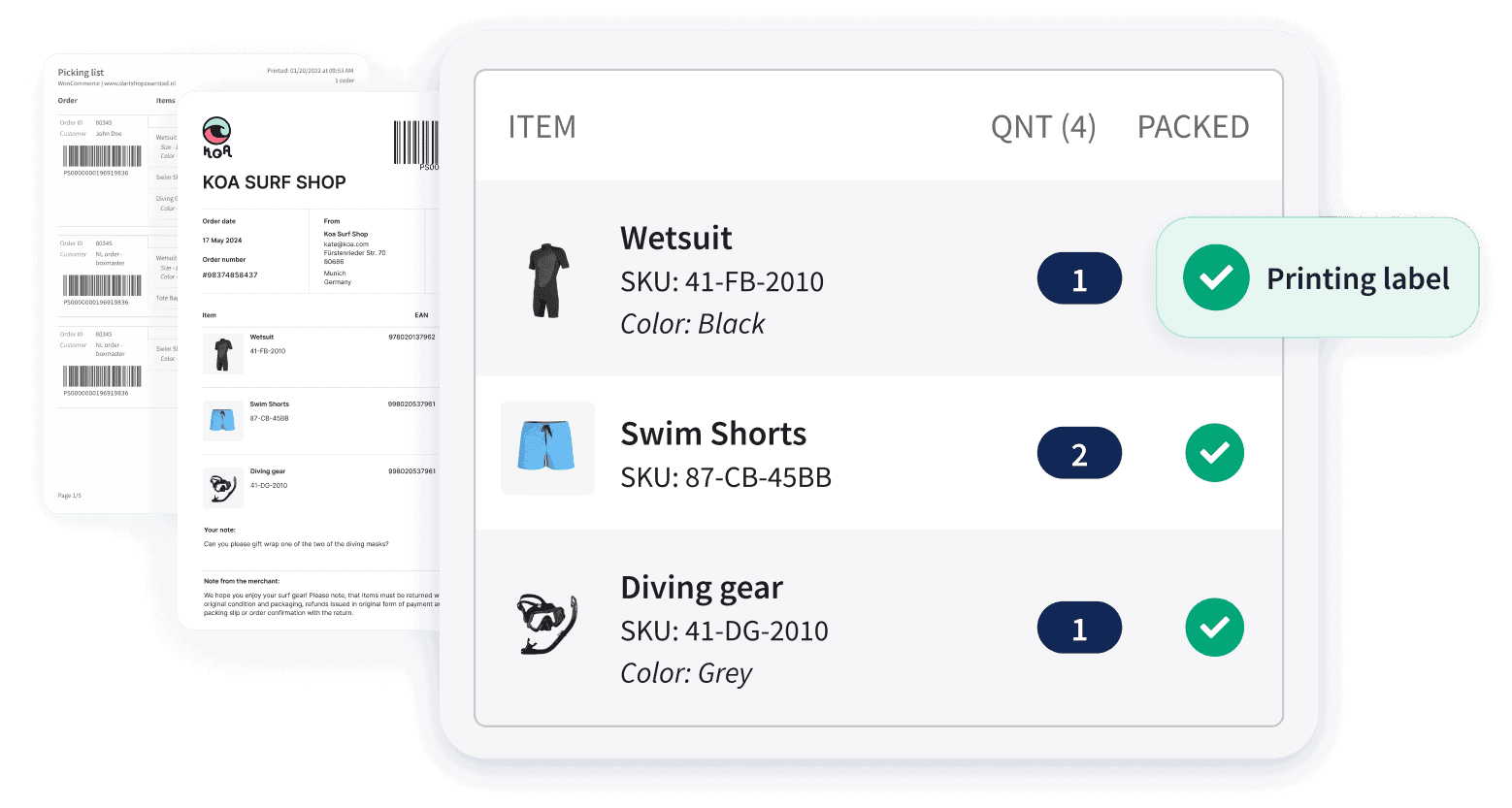
Speeding up operations through automated label printing and tracking updates
Enabling more cost-efficient shipping, achieving 10% lower shipping costs
Allowing savings to be passed directly to customers
Start predicting shipping costs better
Shipping costs shape your margins, your pricing, and your customer experience. You’ll never control every variable, but you can control how predictable your foundation is.
What if you could:
Estimate less often and trust your baseline more
Avoid renegotiating rates every time volume changes
Spend less time updating pricing tables and spreadsheets
But instead, know what carrier rates will be, and lock in competitive pricing for a whole year.
Ready to plan your shipping budget with confidence? See how transparent rates can simplify your year. Create your free Sendcloud account to get precise pricing breakdowns right in our platform.


Author and researcher
Zeldi specializes in guiding online retailers toward insights that empower them to grow and thrive. An innate explorer, she’s always on the lookout for valuable tips, tools, and trends to help e-commerce owners overcome the most puzzling processes and enjoy a front-row seat on a journey to success.

Subject matter expert
As Product Manager at Sendcloud, Stanislav contributes insights on shipping technology, logistics workflows, and product innovation for online retailers.
How much time can you save on shipping?

Share
Recommended for you

Shipping
Integrations
Best Shopify shipping apps: compare features, pricing & automation
Compare the best Shopify shipping apps for automation, carriers, labels, tracking, returns and international shipping. Find the right app for your store.

Shipping Intelligence
Shipping
E-commerce
Best 9 Shipping Data Analytics Software Tools (2026)
E-commerce
Enterprise