How to choose the best multi-carrier shipping platform for an e-commerce business


Last updated:

Statista predicted that by 2027, parcel shipping worldwide will surge to an astonishing 256 billion units annually. As e-commerce continues to gain momentum, the demand for parcel shipping is set to soar.
This surge in shipping comes with its own set of challenges when it comes to constrained delivery capacity and maintaining a positive customer experience. Delivery costs have also spiked due to inflation in fuel and labour costs, leaving online retailers needing the proper tools to optimise their transportation spend.
In overcoming these obstacles, companies are turning to transportation management and warehouse management systems, but most of these systems lack the specialised capabilities needed to manage parcel shipping.
Finding the right multi-carrier shipping solution will help you bridge this gap, optimising your courier portfolio and setting you up for success. But how do you choose the best one?
Inside this blog:
Criteria for choosing the best multi-carrier shipping solution
- How multi-carrier shipping systems are differentiated
- The pillars of robust multi-carrier shipping solutions
- Capabilities to look out for on a multi-carrier shipping platform
Optimising your logistics with a multi-carrier shipping system
Multi-carrier parcel management with Sendcloud
Criteria for choosing the best multi-carrier shipping solution
There are many multiple-carrier management systems out there in the market. Knowing how to choose the right one is a must. Be smart with your spend and make sure you’re doing all you can to optimise your shipping operations. Let’s take a look at what makes these solutions different and what some of the non-negotiable and stand-out features are.
How multi-carrier shipping systems are differentiated
If you’re looking into parcel solutions, you need to understand how solutions in the market are differentiated. After all, not all multi-carrier solutions are built the same.
The solutions are distinguished from each other based on the following:
The region in which they operate
The functionalities and capabilities they offer
The industries they serve or are specialised in
Their deployment model, i.e., Cloud Based or On-Premise
The organisation size they serve, e.g. large enterprises or SMEs
Considering these factors when evaluating parcel solutions is how you find the right fit for your business. Where a single-carrier parcel management solution with a direct courier integration limits your options to a single delivery company, multi-carrier shipping systems open up a world of possibilities. Now, what does the foundation of a robust multi-carrier solution look like?
The pillars of robust multi-carrier shipping solutions
If you want a solution that works well on all crucial fronts, these are the four factors you should consider when selecting a solution:
1. Strong customer support
Look out for a parcel management solution with strong customer service that quickly and regularly provides you with needed information, especially when things go south.
Delivery risks are abundant in the supply chain, and you need a system that promptly addresses your questions without delays. Make sure you read customer reviews and ask about their customer support team.
2. Highly efficient with numerous couriers
Efficient service is non-negotiable when choosing a multi-carrier platform. The system has to impact your business positively and offer lots of couriers you can choose from.
If the couriers on their system are limited, choosing a multi-carrier shipping solution defeats the purpose. The couriers should also be companies with good reviews and ratings that extend their services to your desired regions.

3. Inventory management services
If you deal with large inventories, you should look for a solution that integrates with a warehouse management system. Some multi-carrier parcel management solutions also manage restocking and international returns.
4. Shipping cost reduction and discounts
Many shipping companies offer discounts and cost reductions based on their pre-negotiated rates, especially when you deal with high-volume shipments. They go as far as providing loyalty programmes to gain customers’ trust. Look out for these and compare different money-saving packages.
Capabilities to look out for on a multi-carrier shipping platform
Did you know that there are core and extended capabilities of a multi-carrier shipping solution? With core capabilities being the basic functionalities shared by most solutions and extended capabilities being add-on functionalities offered by some leading vendors. Create your own checklist for your business to make sure every need you have is covered.
Core capabilities checklist:
Parcel contract management: This capability supports rating processes and allows for storing and managing contracts with different couriers.
Courier compliance: This involves knowledge of import tariffs, packaging specifications, and customs rules and regulations to ensure successful shipping processes.
Parcel consolidation: Allows online retailers with high parcel volumes to consolidate parcels into grouped shipments, potentially leveraging less than truckload (LTL) rates and saving between 30% and 50%.
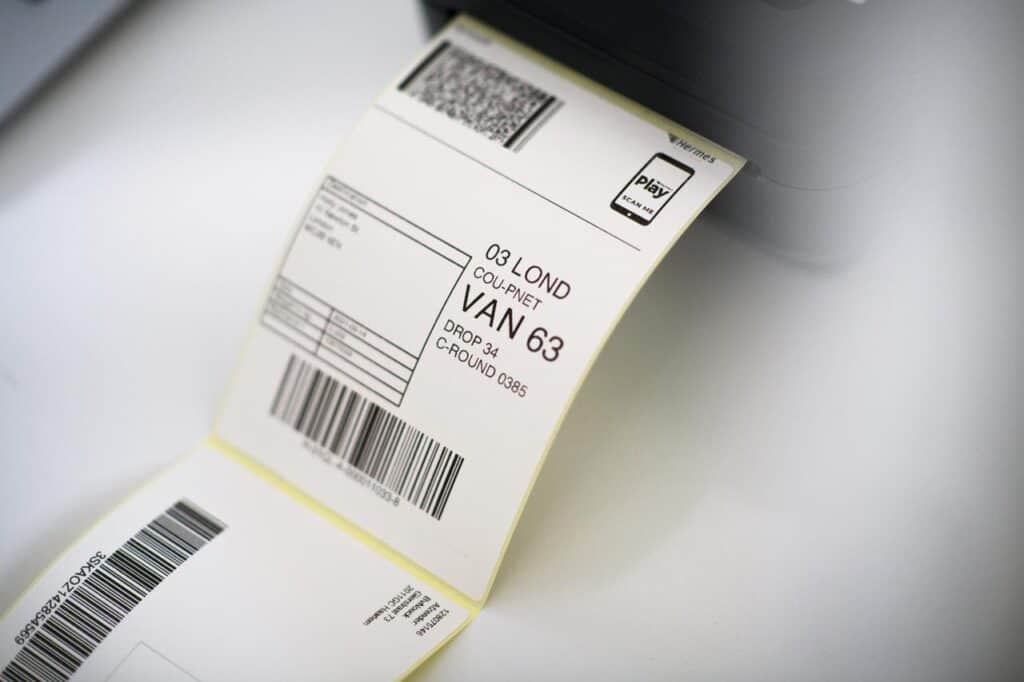
Label and document creation: Enables the generation of shipment parcel labels and related shipping documents.
Parcel execution: Reduces the total time needed to process a package from picking, packing, and shipping via one software solution.
Real-time parcel visibility: Allows customers to track their shipment and reduces calls to customer service centres.
Reporting/analytics: Supports the collection and processing of historical delivery and return metrics to create summaries and reports for further analysis.
Multi-carrier parcel manifesting: Involves validation of shipments against courier-defined rules, routing and tracking number generation, and communication to the courier once the shipment is ready to depart.
Integration with systems: Integrates with your organisation’s systems (WMS, TMS, DOM, and ERP) to help processes and shipment consolidation.
Extended capabilities to check:
Parcel optimisation: Allows for optimisation of courier and mode of transport selection to calculate the best transportation option.
Procurement and bid optimisation: Automates the transportation bidding process, allowing the solution to send bids to couriers, analyse responses, award bids, and save provided rates.
Automated rate shopping: Rate shops multiple couriers at a shipment level to ensure the least-cost alternatives and benefit from the value regional couriers could offer.
Parcel freight payment: Allows for payment of parcel freight charges directly from the system, helping to manage discrepancies as charges received electronically can be easily compared with final courier invoices within the platform.
Mobile solutions: Enables users to access the platform through web portals or specially designed apps for mobile or tablet-like devices connected to the internet.
Last-mile delivery: Supports the digital capture of proof of delivery, allows for shipment status tracking, or helps with customer engagement during delivery.
Returns and claims management: Offers capabilities to help manage reverse supply chain processes, including the creation of exception events, generation of return labels, and connection to the client’s web store to track returned packages.
Advanced cartonisation: Uses algorithms to determine and guide the appropriate number and size of cartons required to ship the items in an order.
Cross-border and pickup drop-off (PUDO): Offers capabilities to support international consolidation services and documentation, and some couriers offer integration into pickup and drop-off networks, reducing courier costs.
Leading multi-carrier shipping vendors also provide more value-added services such as business intelligence platforms, front-end commerce/web integration, and predictive tools like “courier balancing”. These tools are there to collaborate with couriers, to view live and predictive courier information and determine which courier may have the capacity to serve their clients’ needs during peak times.
Optimising your logistics with a multi-carrier shipping system
To ensure the success of your parcel supply chain, you need to consider various dynamics, including service-level options, accessorial charges, and dimensional weight factors.
This is where the right multi-carrier shipping solution comes into play. Using this system, you can optimise your parcel shipments and reach new markets while reducing shipping times and increasing customer satisfaction.
Here are 3 major ways you optimise your parcel supply chain with a multi-carrier shipping system:
Expand your delivery networks: Helps you connect to a wider range of couriers and services, allowing you to expand your delivery networks and reach new markets. Additionally, a multi-carrier shipping system can ensure courier compliance, which can vary by country and region.
Improve shipping dynamics: Cost-effective parcel supply chains require consideration of service-level delivery options, additional charges, and dimensional weight factors. A multi-carrier shipping system offers rate shipping and service configuration options across multiple couriers, enabling you to optimise these variables.
Enhance visibility: Enables you to track the status of your shipments across multiple couriers and take action to resolve any issues. This enhances your visibility into your operations, reducing transit times and increasing operational efficiency. Vendors are also adding value-added services such as business intelligence platforms, web integration, and predictive tools to their offerings.
Using these multi-carrier shipping solutions allows you to streamline and optimise your parcel shipments, whether you are using it as a complementary solution to your existing Transportation Management System (TMS) and Warehouse Management System (WMS) or as your primary transportation solution.

Multi-carrier parcel management with Sendcloud
At Sendcloud, our mission is simple: we want to empower online retailers to compete by optimising the full shipping journey, from checkout to returns. With our shipping platform, you can turn logistics from a bottleneck into an accelerator, making shipping a competitive advantage for your business.
Sendcloud makes multi-carrier parcel management easier for you with:
Checkout – Delight your customers and reduce checkout abandonment with the fastest, most convenient, and most affordable delivery options.
Courier management – Skip the long and costly integration process with separate couriers. Easily connect to and activate multiple couriers through a single solution
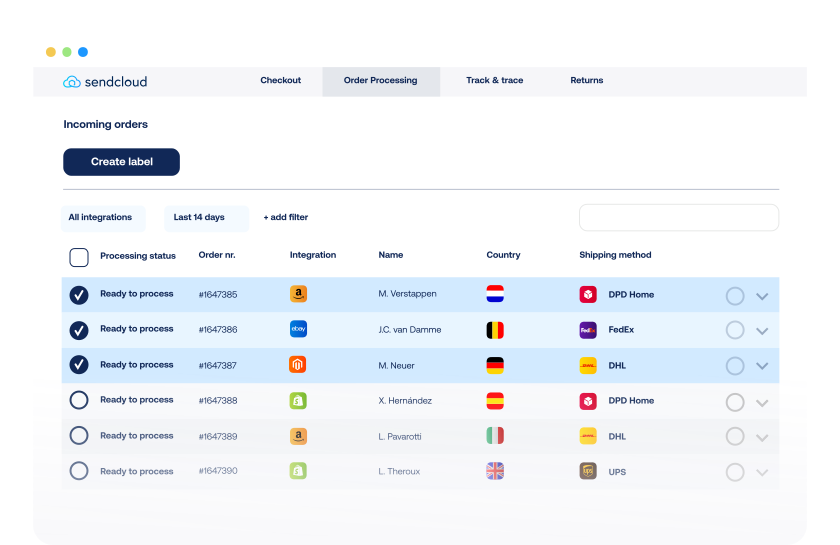
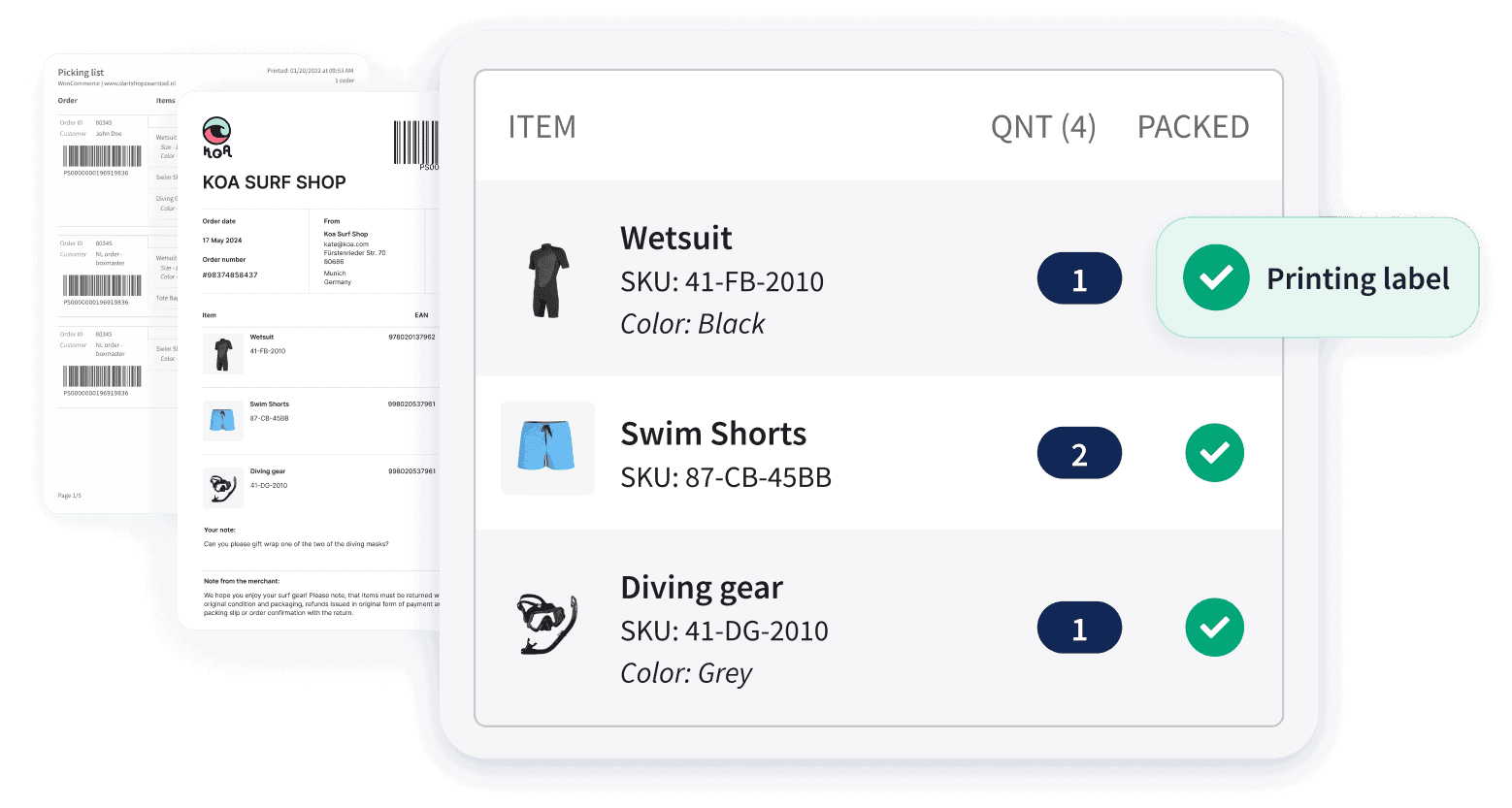
Order processing – Save loads of time with automated shipping label generation, automated customs docs for cross-border shipments, and advanced shipping rules
Tracking – Provide the best post-purchase experience with branded tracking notifications that drive customer loyalty and decrease customer service enquiries.
Returns – Create a smooth and efficient returns process for both you and your customers with your own branded returns portal
Analytics – Stop making delivery promises you can’t keep. Get insights from historical and real-time data based on millions of shipments.
Shipping Intelligence – Know your Total Cost of Shipping™ and get benchmarks and tailored recommendations aligned with your KPIs.
APIs – Add core shipping functionalities to any custom system, WMS, ERP, or marketplace. Save engineering time and increase speed-to-market.
Don’t just take our word for it. G2 Market Research is passionate about helping buyers find software solutions that can best solve their business problems. Their goal is to represent software to buyers based on the way they are sold. “Quality of Support” and “Ease of Use” are the top two factors that positively impact user satisfaction for multi-carrier parcel management products. Within this category, G2 rated Sendcloud 4.6 out of 5.
Are you an e-commerce business looking for a way to scale up your operations? Then Sendcloud might be the all-in-one shipping platform you’ve been searching for. Request a demo and see what Sendcloud can do for your shipping efficiency.


Author and researcher
Zeldi specialises in guiding online retailers towards insights that empower them to grow and thrive. An innate explorer, she’s always on the lookout for valuable tips, tools and trends to help e-commerce owners overcome the most puzzling processes and enjoy a front-row seat on a journey to success.

Subject matter expert
Bart Michiels is Product Lead at Sendcloud with expertise in parcel carrier performance, shipping technology, and logistics operations. He shares data-driven insights to help online retailers optimize their carrier strategy and delivery experience.
How much time can you save on shipping?

Share
Recommended For You
Enterprise
Tracking
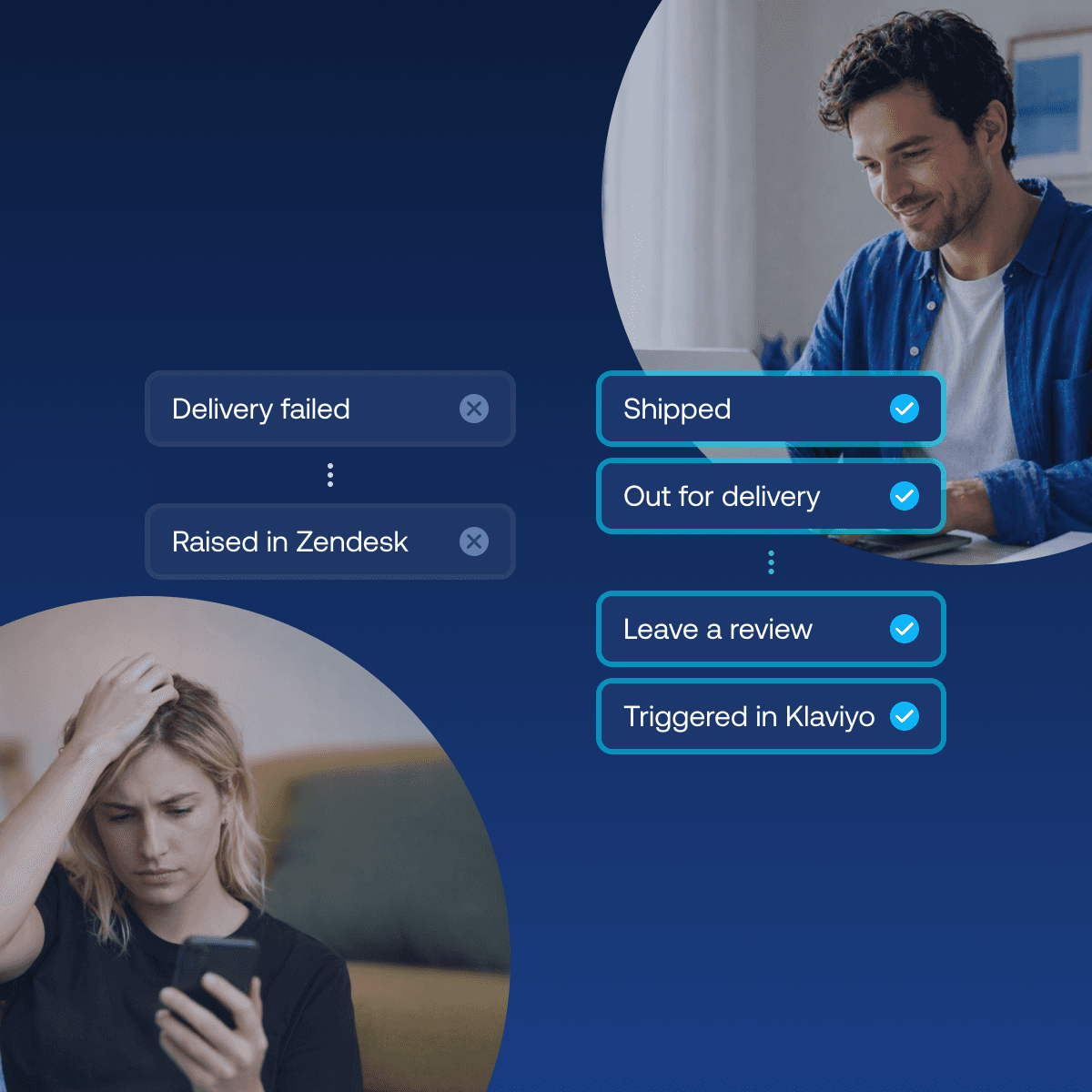
Sendcloud’s Post-Purchase Solution, now available in the tools your team already uses
Most retailers leave post-purchase on default, letting courier notifications and out-of-the-box tracking emails speak for the brand. Sendcloud's Post-Purchase Solution changes that: delivery events now flow straight into the tools your team already uses, like Gorgias, Zendesk, Freshdesk and Klaviyo, turning tracking updates into branded touchpoints, proactive support alerts, and automated claims, no matter which courier or platform you ship with.

Shipping
Integrations
Best Shopify shipping apps: compare features, pricing & automation
Compare the best Shopify shipping apps for automation, couriers, labels, tracking, returns and international shipping. Find the right app for your store.

Shipping Intelligence
Shipping
E-commerce