


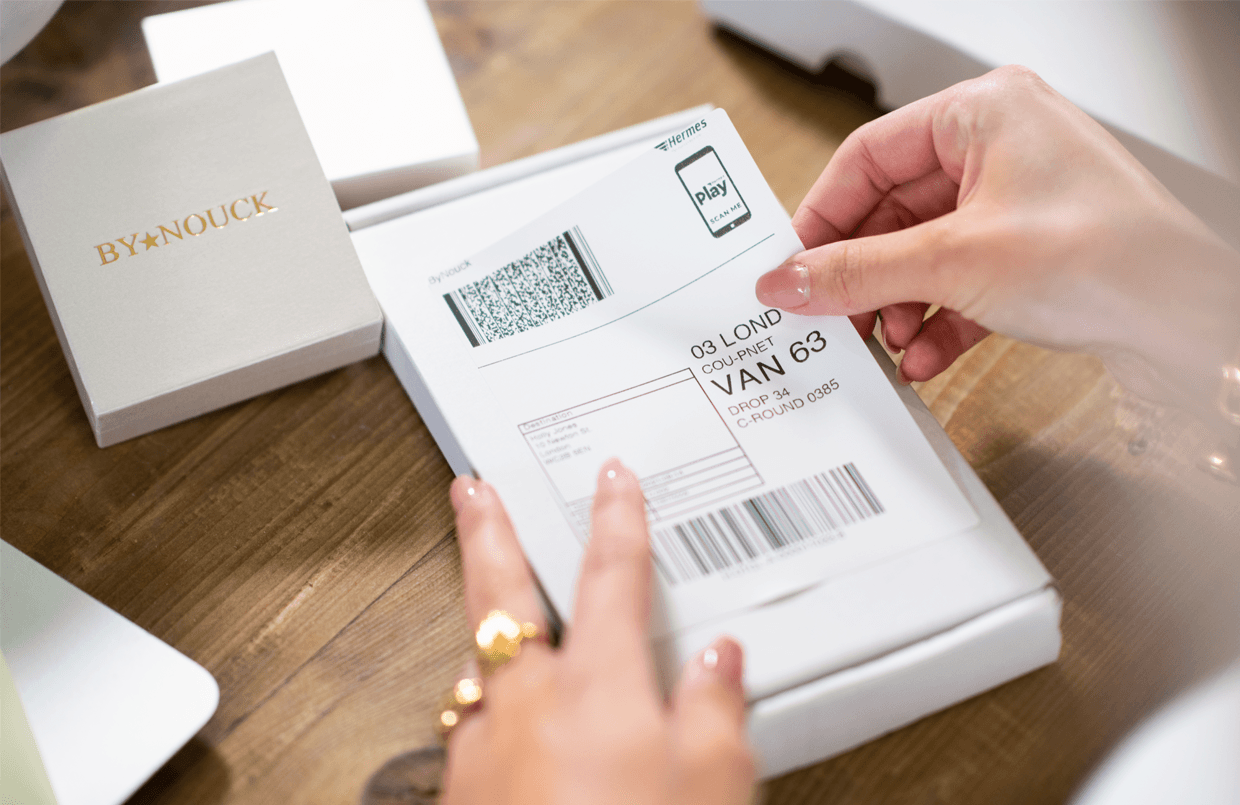
Returns are one of the main challenges of running an ecommerce business. Realistically, they're something you won't be able to escape, so… (lightbulb moment) why not try to make the most of them?
This article will help you stay one step ahead of the competition when it comes to returns management. We'll cover topics such as the state of product returns and the current situation in reverse logistics, and give you insight into what to expect from them in the short term.
Ecommerce returns: headache or opportunity?
A good returns experience, both for the customer and for you, means keeping up with the trends and with what shoppers expect. New technologies and digital tools can help you speed up these processes and give you useful insight into shopper behavior. And let's be honest: it's always good to know what's working for others.
In this article, we'll look at the best methods for understanding what customers really want and how to manage those expectations. We'll also examine the return services and policies that let you give customers an exceptional experience. And, of course, we won't forget about keeping your business efficient, profitable and environmentally sustainable.
As you can see, we have a lot of work ahead of us. Make yourself a good cup of coffee, and let's get down to it!
The state of ecommerce returns in 2022
Current best practices
The best options for efficient returns
What can we expect from ecommerce returns in the (near) future?
Tackling returns: market innovations
How to overcome the downsides of returns
The state of ecommerce returns in 2022
New technologies, changes in customer behavior, the impact of the pandemic, changes to customs and duties… Online sellers have to keep an eye on everything! Here are some returns news and trends to keep you up to date:
Return rates are rising. According to the Compras Online en España study carried out by Spain's National Observatory for Technology and Society (ONTSI) in 2021, almost 40% of Spaniards said they had returned online purchases. That's a notable figure, considering the number of online shoppers in Spain exceeded 26 million (more than 79% of the population).
In Spain, 51% of shoppers think returning an item costs more than keeping it, a view shared by French shoppers.
Reverse logistics is having a major impact on sustainability plans. Longer return times, storage and infrastructure problems, and the fact that returning lower-value items makes no economic sense are all hurting sellers' viability efforts. On top of that, some products, such as underwear, simply can't be exchanged. This means more waste and missed opportunities to recycle or reuse unwanted items.
The chart below shows the significant growth in shipping volume. Based on these figures, return rates can also be expected to increase, since returns account for 5-15% of all shipments.
Returns deserve a holiday
With a good dose of dark humor, UPS unofficially declared January 2 “National Returns Day”. This quirky celebration was surpassed by National Returns Week 2021, when the carrier predicted 1.75 million returned packages per day, 23% more than in 2020.
Best practices for sellers
Having accepted that returns are as natural as life itself, many sellers have decided to think outside the box to improve them.
Amazon offers an extended return period during peak season. In 2021, this meant that most items bought between October 1 and December 31 could be returned until January 31, 2022.
Decathlon, the well-known sportswear franchise, has a return policy of up to 60 days on its own products and doesn't ask customers why they're returning an item.
Lazada, the Alibaba-backed marketplace, lets customers return items to the seller through its platform, as long as a return request is submitted within 15 days (LazMall items) or 7 days (non-LazMall items) of receiving the products.
Zalando gives its customers up to 100 days to return their shoes or sneakers, as long as they're unworn and still have their tags. It also refunds standard shipping costs if the customer paid them.
The best options for efficient returns
Of course, it isn't always practical or feasible to offer customers the flexibility that giants like Amazon can. After all, not everyone can have a rocket like Mr. Bezos, right?
But there are some ways online sellers can optimize returns and save costs (for the planet, too) in 2022 and beyond.
1. Give customers the right information at the right time
Create a solid, easy-to-understand returns policy, and don't hide it in the most remote corner of your website. Customers need to be clear about what they can expect from you, both in this document and at every other key moment of a purchase: product pages, customer service centers, etc.
2. Use the right technology.
Today there are plenty of apps and platforms that help you manage your returns. Many let you set shipping rules and automate processes. That way you save time and money, and you also reduce the chance of costly mistakes in both shipments and returns.
Without wanting to blow our own trumpet, but in the entrepreneurial spirit of the aforementioned Bezos, we can say that our app is keeping plenty of ecommerce customers happy. Why not take a look at how it works?
3. Include pre-printed labels in the box.
42% of Spanish consumers appreciate receiving a return label in their package. However, it's true that this practice has a negative impact on your carbon footprint.
4. Offer paperless returns.
A QR code can be more than enough to return a package. It's an elegant solution that also helps reduce your carbon footprint. Hermes C2C and DHL in Germany already offer this service, as does Amazon through post offices in the UK.
5. Opt for a simple returns process.
Easy Return Solutions (ERS) within the EU simplify international returns by giving sellers and customers a local return solution. This reduces the problem of paying customs and duties twice. You can find more information about this in our help center
What can we expect from ecommerce returns in the (near) future?
For now, we know how things stand. But what will happen in the future? Could returns become even simpler? Let's see what our crystal ball says about the future of ecommerce returns.
Free returns vs paid returns
Returns are constantly increasing in ecommerce. As mentioned earlier, 84% of European online shoppers regularly return a product if they're not satisfied.
While offering free returns is a good way to keep customers happy, online retailers are struggling with high return costs. They're burning a lot of money handling returns, and environmental concerns are growing when it comes to unnecessary shipments.
What's the solution?
Charging customers for returns
Some fashion giants, such as ZARA, have already started charging customers for returns by mail, and they won't be the last.
What's next for you?
You can activate the paid returns feature in the Sendcloud return portal to let your customers pay for returns. That way, you can reduce manual work and automate return payments. You no longer need to charge extra for returns or cut into your sales margins.
The paid returns feature is only available through Mollie for Large and Enterprise subscriptions. You can select the countries where you want to offer paid returns with the main EU payment methods.
The number of lockers is growing
Automated lockers for both receiving and returning packages make these processes faster and simpler. You've probably come across plenty of these lockers in shopping centers and transit stations over the last year. You may even have used them.
Considering that the global automated locker market is expected to grow by more than 1 billion dollars by 2024, it's clearly an option you can't ignore. It's a practical, easy-to-use solution with the potential to become the best option for brands that want to improve their returns processes by offering customers 24/7/365 convenience.
The potential of service points for returns
I think that in the future we should think more in open-source terms when it comes to solutions and locations for returns processes. Today, each carrier has its own network of service points, and most sellers offer the return solution those carriers propose. However, customers would rather return their package somewhere nearby, regardless of the carrier or the seller. Opening up our networks would help create a much wider network to meet customer needs. We definitely need to explore ways to make this work in the future. – Emiel Ton | DPD Netherlands
An increase in label-free returns.
Label-free returns work just as the name suggests. Instead of receiving a label for each shipment, customers simply take their package to the designated drop-off point and scan the barcode or QR code provided by the seller or the carrier. The label and shipment are handled right there.
Inpost and Hermes C2C are two well-known examples of how this “out-of-home” system has already been rolled out successfully in the UK. Amazon is also using it in the US, and Vinted is already adapting label-free return solutions for its customers.
The rise of local and last-mile carriers.
Sellers' drive to deliver quickly to their customers has led to the rise of small, local carriers as well as last-mile deliveries. During the pandemic, we all saw the growth of parcel and food delivery by bike. This local approach gives customers more flexibility and supports same-day delivery.
While it's true that this isn't yet a widespread practice in returns processes, we expect companies to do everything they can to implement it as soon as possible, especially in cities like New York, Paris or London, where getting around by bike is much more cost-effective and efficient than driving a van and battling traffic. Which inevitably brings us to the next point…
Making returns green will remain a key goal
Did you know that almost 60% of Spanish consumers see the rise of ecommerce as a threat to the planet's sustainability?
Local deliveries don't just have great potential to save sellers time and money. A study by Accenture indicates that last-mile deliveries could cut emissions by between 17 and 26% by 2025.
Other green returns trends to watch in 2022.
More than 60% of users think too much material is used to package parcels. One of the demands of 78% of shoppers (especially Gen Z) is that sellers use recyclable packaging materials. Alongside these demands, new trends in green returns have emerged, including:
A greater focus on the returns process from start to finish. The goal is to ensure sustainability throughout the entire process. This includes every step, from labeling, packaging and the transport method to the product's return to the supply chain.
Choosing eco-friendly carriers. Most carriers now offer eco-friendly shipping solutions. UPS and Hermes offer carbon-free deliveries, DHL uses bikes and electric vehicles for last-mile deliveries (in certain areas), DPD has committed to reducing its CO2 emissions by up to 14% per parcel, and FedEx will operate carbon-free by 2040.
Limiting return conditions for certain items. If you sell products like underwear, very low-value items or certain health, beauty and food products, it doesn't make much sense to make customers go to the trouble of returning something that will go straight in the trash.
Your compensation strategy should fit your business and your customers' expectations. Whatever you decide, this information needs to be very clear in your policy and on your product pages. You should also provide additional information in your FAQs or through a chatbot.
Tackling returns: innovations in the market
When it comes to product returns, innovation is synonymous with success. Or at least working with companies that innovate is.
As we've already mentioned, it will be interesting to see how far sellers and carriers adapt to changes in customer behavior and expectations. Will cost savings win out, or the drive to meet customer needs? Will there be a clear winner, with standard return principles set in the (near) future? Or will sellers keep return policies that are somewhat out of step with customer demands?
Here are some interesting examples of how innovation is happening in ecommerce returns.
Drop-offs at other non-competing stores.
We don't know about you, but we'd love to be able to make returns at everyday places. A coffee shop chain, the pharmacy or a fast-food restaurant, for example. You can be sure these non-competing businesses would benefit too.
AI and machine learning technologies
Emerging technologies like AI and machine learning are allowing sellers to better understand their customers' behavior and make recommendations based on their preferences.
They also help businesses reduce the number of returns, for example by offering size recommendations on items with a higher number of returns for that reason. AI can even predict which customers are more likely to return an item and suggest a more suitable one before they make the purchase.
And what do you think of virtual fitting rooms or virtual reality rooms like IKEA's that help you with home improvements? These tools are very likely to become more and more common in the coming years. All it takes is for businesses to start realizing the competitive advantage they offer, the boost in sales and the drop in returns.
Forecasting returns after an order is placed.
AI and machine learning can also help online sellers plan ahead for returns and inventory management.
These tools can build a customer profile based on purchase history, credit scores[CRS20] , return rates and reasons (e.g. wrong size) and indicate the level of return ‘risk’. This can help you personalize marketing, plan stock, adjust prices and improve the way you manage your logistics and shipping.
How to overcome the downsides of returns
Beyond the amazing things AI and machine learning can do, you're probably wondering whether they can somehow minimize the downsides of returns. Don't worry, we've thought about that too.
There are two things customers particularly value: easy returns and fast refunds. 50% of Spanish consumers want to know when they'll get their money back if they return something.
At Sendcloud, we've been working for some time to speed up the process and meet customer expectations. Here are some of Sendcloud's developments that can help you improve your returns management in 2022.
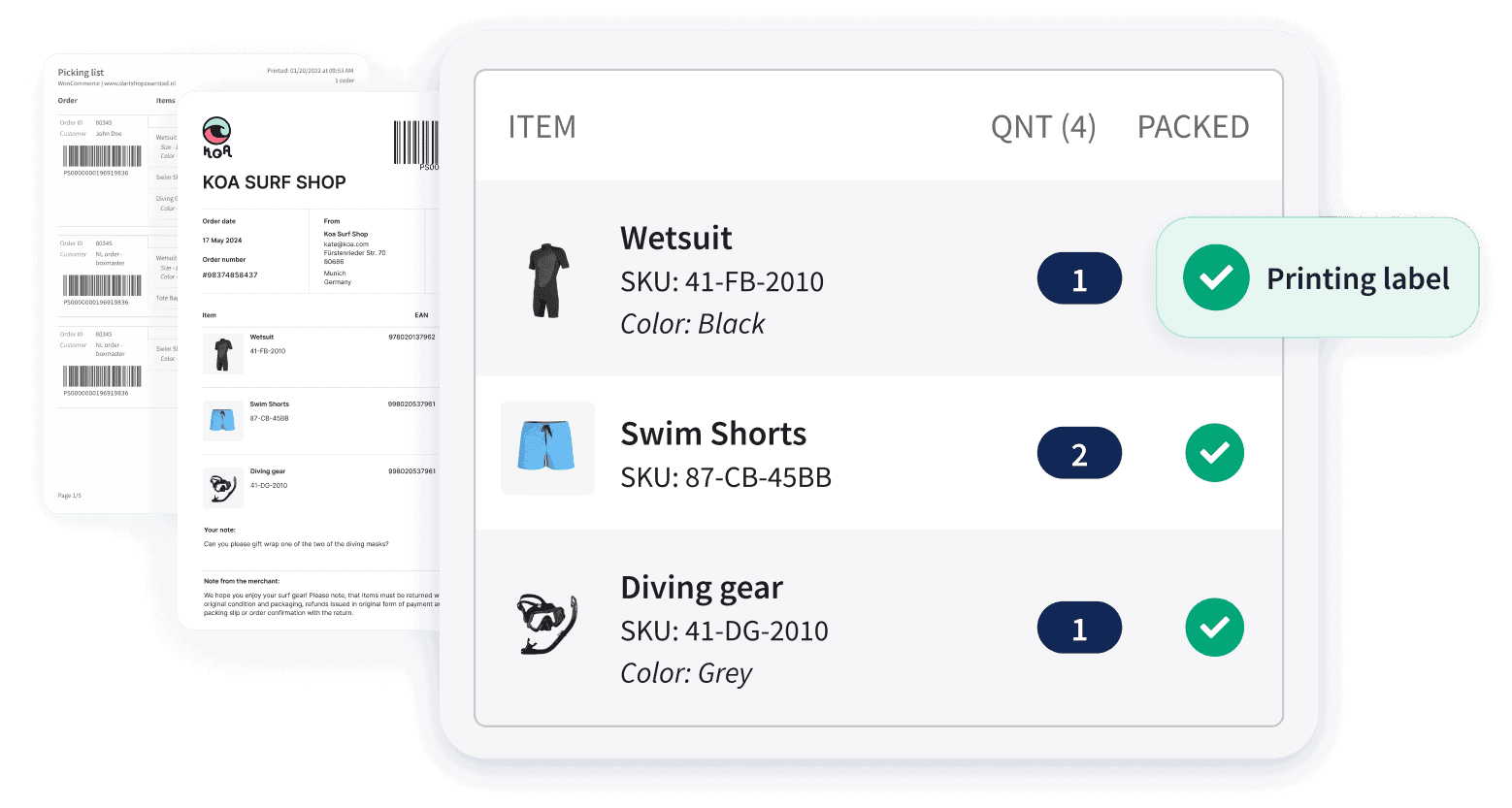
We offer a practical solution suited to stores of any size, so you can manage returns efficiently through all-in-one software and an API.
ERP systems and fulfillment centers can connect to our API to manage returns efficiently, regardless of their current setup.
We're partnering with more carriers so you can offer your customers return pickups.
You can set up return rules for different types of returns. Keep in mind that there's a more suitable carrier for each option or for certain countries. We can even have your customers pay if they select a particular return reason, such as “I changed my mind”. That way you'll save time and avoid mistakes. It's also a good way to gather more insight in your shipping analytics and identify trends for each type of return.
Our app will soon let you accept or reject returns, helping you avoid unnecessary costs and processes.
You'll soon be able to enable return fees within your branded return portal and set the relevant costs. Combined with return rules, you can apply different costs depending on the product or the return reason.
Add your branding to your return portal to create a unique customer experience. Include important links, such as to your store or an FAQ page, and put your contact details right where your customers expect to find them.
Want to know more about our returns solution? Check out our page on the possibilities through our app or API.
A final note
Managing returns isn't easy. But if you do it well, it's a great way to show your commitment to customer satisfaction and give customers an exceptional shopping experience. An efficient returns service also helps you plan inventory better and keep costs under control.
Whatever challenges and opportunities this year brings, the best approach is to listen to your customers and keep improving your logistics and shipping processes from start to finish. Good luck, and let us know how it goes!
Want to know how much you'd save with Sendcloud?


Author and researcher
Marina Fernández leads the Communications craft, creating e-commerce, B2B, and SaaS content. She ensures that every piece of content is of the highest quality and effectively meets its intended purpose.
How much time can you save on shipping?

Share
Recommended for you
Peak Season
Post-holiday returns: What January’s hidden peak season just taught you
Post-holiday returns surge in January. Use data from Sendcloud and Returnless to plan volume, refunds, inventory and paid returns in a way shoppers expect.
Marketplaces
Marketplace returns: from operational chaos to return intelligence
January exposed the weak spots in marketplace returns. Learn what shoppers expect, where friction occurs, and how to improve returns before the next peak.

E-commerce
The power of flexible returns: How store credit can save your business €150,000 in cash flow
Discover how flexible returns and store credit can boost cash flow, customer retention, and profitability for your business.