The January returns peak: The engine behind online customer loyalty


Last updated:
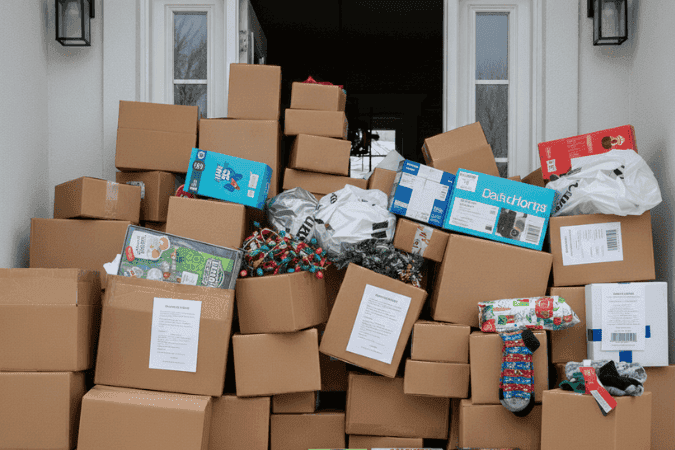
The return rate rises from 23.5% to 44.5% during peak season, meaning almost half of all orders placed in December and January are sent back.
Eindhoven, February 19 – January was once again the busiest month for returns. Data from Returnless shows that return volumes during peak season climb to the highest levels of the year. But behind these numbers lies a more important insight. Sendcloud's Peak Season Survey 2025, based on 1,000 Dutch online shoppers, reveals what really strengthens customer loyalty in this process: 64% of consumers stay loyal when the return process is fast, clear, and transparent. That makes January not just the operational peak for returns, but also a decisive moment for customer loyalty.
Returns are part of the deal, but stay emotionally loaded
The Peak Season Index shows that sending orders back has become second nature for many consumers. About 41% of shoppers say it's normal to return gifts, especially after the holidays.
At the same time, the research shows that returning often comes with doubt and emotional weighing.
Nearly 31% of consumers feel guilty about returning Christmas gifts. On top of that, 28% admit to having pretended they liked a gift just to avoid the hassle of returning it.
This combination of high volumes and emotional friction puts retailers under double pressure. They have to process a spike in returns while also making sure they hold on to customer trust.
“For years, retailers mainly saw January returns as a cost,” says Rob van den Heuvel, CEO and co-founder of Sendcloud. “But these numbers show that a clear, transparent return process can actually strengthen customer loyalty. When returns are handled well, they become an opportunity to deepen customer relationships for the long term.”

Paid returns are on the rise, but transparency still matters most
Data from Returnless shows that 65.3% of retailers now use some form of paid returns. This trend has been building for several years, as online retailers look to protect their margins and limit return volumes.
Consumers increasingly understand that returns come with a cost, and they're willing to pay for it, as long as the return terms are clear and fair. On average, shoppers say they're willing to pay:
€4.55 in return costs on orders around €15
€4.88 on orders around €50
€6.35 on orders around €150
These figures show that customers accept return costs that are proportional to the value of their order, especially when retailers communicate the process clearly upfront and keep it transparent.
The Peak Season Index adds another insight here. About 40% of shoppers factor in the environmental impact of returns, and 38% say they'd rather choose a retailer that offers more sustainable return options.
“The conversation is no longer about free versus paid returns,” says Marijn Prijs, co-founder at Returnless. “It's about return terms that are transparent, reasonable, and match what customers expect. Consumers look at how clear the return process is, how fast they get their money back, and whether they're offered convenient, sustainable return options.”
January returns shape loyalty for the rest of the year
The insights from Returnless and Sendcloud's Peak Season Index show that a frustrating return experience after the holidays pushes customers toward competitors. A clear, transparent return process, on the other hand, helps retain customer loyalty long after peak season ends.
About Sendcloud
Sendcloud is Europe's shipping platform, helping e-commerce businesses scale their shipping process effortlessly and give customers a first-class delivery experience.
Founded in 2012 to give e-commerce businesses of every size an equal shot, we're trusted by 30,000 brands across Europe. Backed by SoftBank, we work every day toward our vision of simplifying shipping worldwide.
About Returnless
Returnless helps e-commerce companies get a grip on their returns. With its returns platform, online retailers and fulfillment companies can handle returns faster, cut costs, and prevent future returns.
With more than 1,250 customers, Returnless gives e-commerce companies of every size a way to manage returns like the biggest brands in e-commerce.


Author and researcher
Marina Fernández leads the Communications craft, creating e-commerce, B2B, and SaaS content. She ensures that every piece of content is of the highest quality and effectively meets its intended purpose.
How much time can you save on shipping?

Share
Recommended for you

Over the Past Three Months, Nearly One in Two European Consumers Have Abandoned an Online Purchase Because of Delivery
48% of European consumers abandon online purchases because of delivery: unexpected costs, long delivery times, and lack of choice.

Consumer trends in e-commerce 2026: What European shoppers really want
We surveyed 8,000 European shoppers to map the biggest consumer trends in e-commerce, from checkout to post-purchase, loyalty, and returns.

E-commerce monitor 2026: The era of automatic growth seems over
The E-commerce Monitor 2026 shows webshops focusing less on fast growth and more on profitability, customer retention, and efficiency. Discover the key trends.