


Do you want to keep your shipping operations running smoothly? Then you should know the most common logistics problems.
Efficient ecommerce logistics is the backbone of every online store. Without it, digital operations would be severely limited.
Getting goods to customers is at the core of the digital sales process. Any hurdle in this process can lead to dissatisfied customers and ultimately harm your reputation and your bottom line.
In this article, we discuss the best-known logistics problems. We show why it matters to tackle them and how they affect customer experience, loyalty and profitability.
Don't let logistics problems slow you down. Here you'll find the answers to all your questions.
The status quo of ecommerce logistics
The pandemic boosted digital commerce, but it also caused supply chain and production problems.
With inflation currently high, shoppers are reconsidering certain purchases, which is a challenge for online and offline stores alike.
Even so, ecommerce growth shows no signs of slowing down. The ecommerce market is expected to keep growing in the coming years: 8.9% in 2023 and even 9.4% in 2024.
More specifically, the global ecommerce logistics market was valued at $235.70 billion and is expected to reach $1,901.97 billion by 2030, with transportation accounting for almost 70% of the logistics market.
Although there is hope for the future, it's important to be aware of all the challenges and obstacles the industry faces in 2023. So what are the big ecommerce issues this year?
The top 9 logistics problems in 2023
Over the past two years, the logistics industry has been shaped by natural and man-made disruptions. Let's take a look at the top 9 issues in 2023.
1. Rising fuel prices and rising freight costs
Behind the record-breaking ecommerce growth were high freight rates, caused by rising fuel prices and the ongoing shortage of shipping containers.
Both transportation costs and the costs of maintaining a fleet keep rising. Experts expect this to continue for the foreseeable future.
These factors have contributed to the massive growth of global outsourcing in the shipping business. If you can manage your shipping costs effectively, you'll be better positioned to compete globally.
Shipping surcharges are especially high and volatile in the current unstable economic climate.
Sendcloud analyzed 700,000 shipments affected by surcharges and put together some top tips for avoiding shipping surcharges:
Know your products and their requirements
Address and place labels correctly
Choose the right carrier and the right methods
Shorten shipping routes
Negotiate shipping contracts
Automate shipping rules
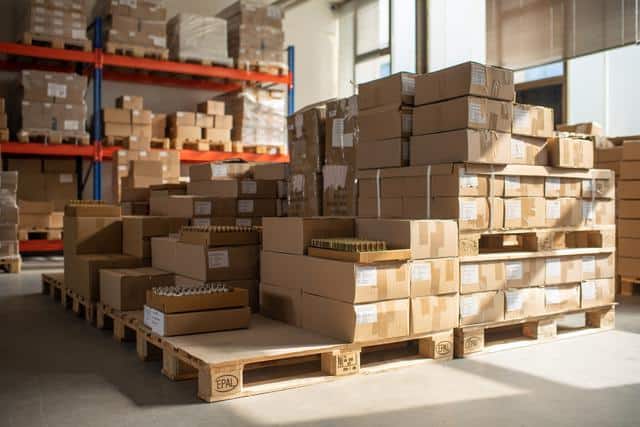
2. Supply chain problems
Port congestion, production delays and extreme weather events caused significant supply chain problems in 2021 and 2022.
These challenges led to shortages, inventory problems and delays. Suppliers and manufacturers worldwide struggled with long backlogs of orders for their best-selling items.
Unfortunately, these problems won't simply go away. The tight situation is expected to continue into 2023, because consumer demand for online shopping is high. On top of that, last year's shortages still need to be made up.
Effectively managing multiple teams, services and networks is crucial in the highly fragmented logistics sector.
As businesses expand their operations and markets, they have to handle more processes and deal with different shipping requirements. Automating these processes is a practical solution.
Using the data available can help businesses act from an informed position and fix inefficiencies. This lets them prepare better for potential future challenges. And that, in turn, can give them a competitive advantage.
3. Managing customer expectations
The rise of online shopping has led to more competition and higher customer expectations.
Today's customers want instant gratification. They expect their packages and deliveries to arrive as quickly as possible.
With online businesses like Amazon offering deliveries within one hour in some cities, businesses are under massive pressure to keep up with demand and stay competitive.
If you offer the same goods at the same price as your competitors, meeting your customers' demands can be the deciding factor that sets you apart. If you want to build a strong bond with your customers and succeed in the long term, meeting these demands should be your top priority.
What do customers expect today?
A smooth buying process: a seamless experience with excellent service
Next-day or even same-day delivery
Real-time tracking
Flexible ordering
Easy returns
Speed and convenience as key performance indicators for successful ecommerce operations.
A clear communication system between customers and the carrier about the product's whereabouts and estimated time of arrival is important.
You can achieve this by implementing a shipment tracking system, sending regular package updates and getting clear delivery instructions from your customers.
4. Labor shortages and inefficient staff management
Despite rising wages, logistics operations worldwide still struggle to hire and retain frontline workers. This leads to increased absenteeism and a domino effect across the entire supply chain.
This problem has worsened further because of the already shrinking number of qualified drivers and port workers. Many are choosing early retirement.
As a result, outsourcing to third-party logistics providers (3PL) has gained importance worldwide.
Leading different teams to handle the tasks at hand in the logistics industry is a constant challenge. It can be difficult to make sure everyone is on the same page and working efficiently.
Here are a few useful tips to master this challenge in shipping:
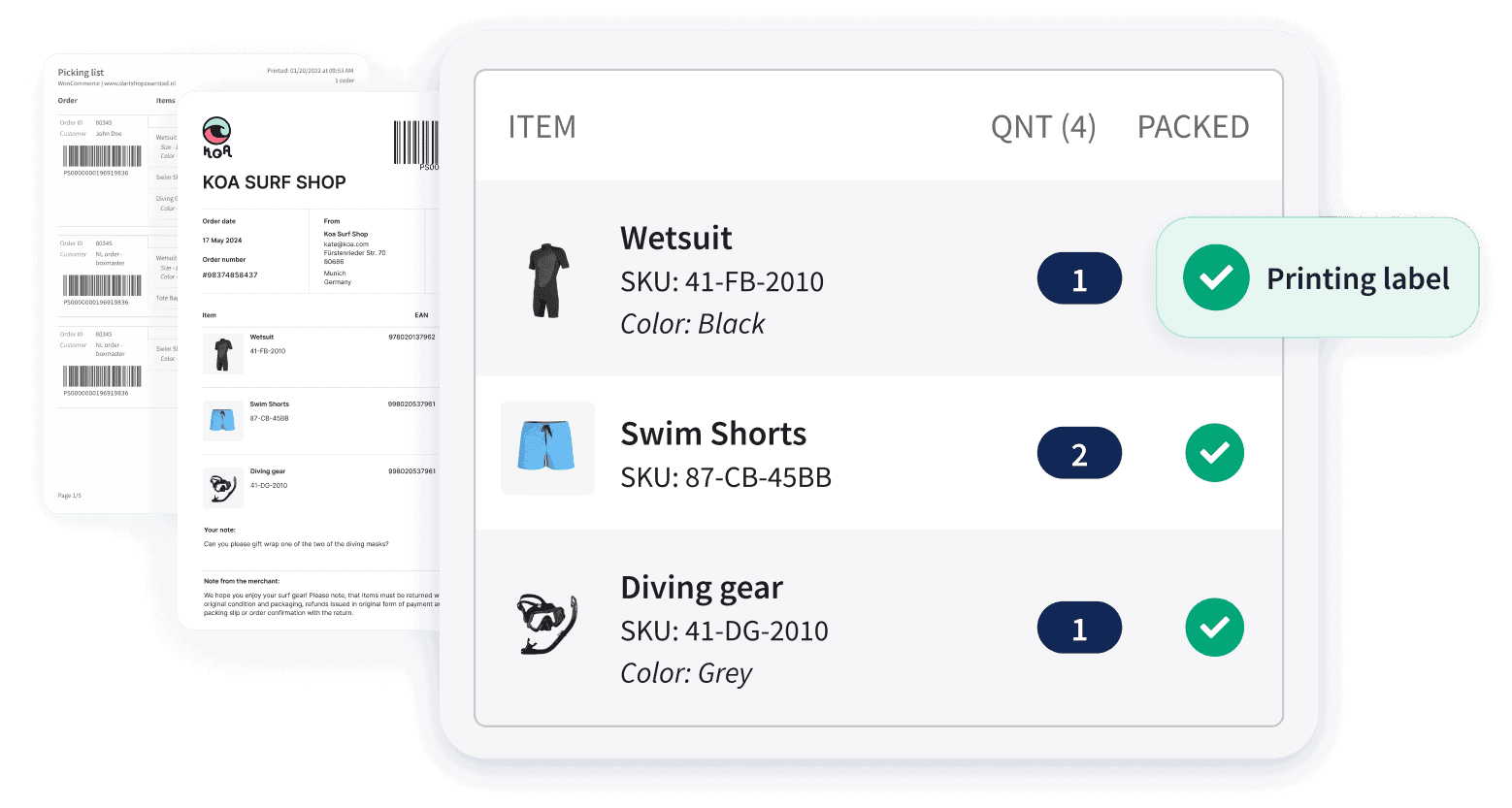
Implement a clearly defined process that everyone can follow, such as automated labeling
Delegate tasks effectively
Train staff properly
Communicate effectively
Leading your staff effectively can go a long way toward overcoming logistics problems.
Tools and shipping solutions can simplify warehouse processes through automation. These include warehouse management systems (WMS) and shipping software.
5. Goods damaged in transit
Transporting goods always carries the risk of damage in transit. This causes headaches for businesses at both ends of the supply chain.
Both parties can agree on how the goods are stored and handled to reduce the risk of damage in transit.
Shipping solutions like Sendcloud can help here, because they give you insights into returns over time. For example, if you notice that a large number of your packages are returned because of damage, you can take proactive measures. For example, you can adjust your packaging, contact the carrier or insure certain items.
By acting proactively and using tools like Sendcloud, you can improve your shipping process and reduce the risk of your goods being damaged.
These measures help minimize the risk of damage:
Use sturdy boxes and protective packaging to protect items in transit
Set up a process for checking the condition of goods on arrival
Fix damage immediately to make sure customers aren't affected
Keep your insurance coverage up to date
Have a plan in place for handling damaged goods
Being prepared for situations like these can lead to the best outcome for both the sender and the recipient.

6. Incorrect or late deliveries
In 2023, online businesses will still be dealing with one of their biggest challenges: handling incorrect or late deliveries.
Even if the delay isn't your fault, customers will still hold you responsible.
These delivery delays can hurt your business in several ways. Not only do you lose sales in the short term, but over time you also lose your customers' trust in your brand.
Here are the most common reasons for shipping delays:
Delays due to inaccurate shipping information
Shipping delays due to external factors
Delivery delays due to the weather
Delivery delays at Christmas
Delays in international shipping
Manual errors, such as when addresses are edited by hand, can lead to logistics problems. These in turn result in missed deadlines, delayed deliveries and dissatisfied customers.
One solution is to use shipping software that automates labeling, picking and packing processes to reduce human error, since no manual changes are needed.
This increases efficiency to ensure on-time delivery and reduce labeling errors.
Other tips for dealing with shipping delays include:
Switching between carriers
Adding pickup points to the checkout
Keeping customers informed with tracking updates
Extending the return window
Insurance against delivery delays
To avoid late or incorrect deliveries, it's important for businesses with multiple shipments to have an efficient tracking system.
If you want to keep your online store running, you should respond proactively to delays toward your customers.
If you communicate possible delivery delays clearly and in good time, you can offset the negative impact and maintain your customers' trust in your business.
7. Inaccurate shipment tracking
Logistics challenges can be especially frustrating when you don't provide any insight into the location or estimated delivery time of your shipment.
Especially when it's a time-sensitive shipment.
Customers demand real-time information about the status of their packages, while shippers need to track deliveries and make sure time-sensitive packages arrive on time.
When customers get accurate delivery information, they can plan to be home to receive their packages and avoid missed deliveries.
Inaccurate shipment tracking can cause major problems for businesses and customers alike.
To keep your business organized and your customers happy, you need a high level of shipping visibility and control.
This is where Sendcloud comes in. It lets you monitor all your shipments on a single platform and provide real-time tracking both to yourself and to your customers.
With Sendcloud, you keep track of your shipments and make sure everything arrives on time. And that, in turn, leads to happier customers and more success for your online store.
8. Returns logistics
In the past, software solutions for the logistics industry mainly focused on optimizing forward logistics for large businesses.
With the rise of ecommerce, the volume of shipped products has also grown. This has led to significant challenges, such as:
High warehousing and storage costs
Difficulty managing returns due to limited staff
Higher costs due to a lack of standardized processes and policies
Higher emissions, more packaging and more waste
The good news is that there are shipping solutions that support your returns logistics with solutions built specifically for ecommerce.
9. Cybersecurity
Data protection remains a critical challenge in the logistics industry, because businesses of all sizes are still vulnerable to cyberattacks. These incidents can lead to data loss, corruption and legal action from customers or partners whose sensitive financial information was compromised.
One solution is to outsource IT services to an experienced company that knows the latest cyber threats and cybersecurity solutions.
By partnering with a company like this, logistics businesses can improve their data security measures and minimize the risk of cyberattacks.
Solving logistics problems: the key to your ecommerce success
Customer retention significantly increases profits. An increase of just 5% can increase profits by 25 to 95%.
However, a poor customer experience caused by logistics problems can lead to churn: 49% of consumers say they left brands in the past year because of a bad experience.
Effective logistics management is crucial to the success of every ecommerce business. Not only does it help you exceed customer expectations, it also keeps you competitive in the market.
Proper supply chain management enables on-time delivery, efficient inventory management, cost reduction, higher efficiency, an improved customer experience and greater customer loyalty.
In ecommerce, speed and convenience are key performance indicators for success. Customers expect fast and reliable delivery. Logistics problems can quickly become an obstacle to meeting these expectations.
When businesses tackle these challenges, they can meet their customers' demands and maintain their loyalty.
Overcome logistics problems with Sendcloud
Our goal at Sendcloud is to enable online stores to optimize their shipping process from checkout to return, giving them a competitive advantage in the market.
With our platform, logistics problems are a thing of the past. Shipping can become an accelerator for your business, offering your customers a seamless and hassle-free experience.
Sendcloud helps you overcome logistics problems. It lets you do the following:
Delight your customers and reduce the number of abandoned checkouts with fast, convenient and affordable delivery options.
Easily connect and activate multiple carriers through a single solution, so you can skip long and costly integration processes.
Save time with automatic creation of shipping labels, customs documents for cross-border shipments and advanced shipping rules.
Increase customer retention and reduce inquiries by providing branded tracking notifications. This way, you ensure the best post-purchase experience.
Create a smooth and efficient returns process with your own branded returns portal, including for international returns.
Get analytical insights from historical and real-time data based on millions of shipments. This makes delivery promises you can't keep a thing of the past.
Use flexible APIs to add core shipping functionality to any custom system, WMS, ERP or marketplace, saving development time and speeding up time to market.
Conclusion on logistics problems
Logistics plays a crucial role in the success of every business, especially in the ecommerce industry.
By using a shipping solution and outsourcing to experienced companies, ecommerce businesses can keep their logistics problems under control and create an exceptional customer experience.
Do you run an online store and want to optimize your shipping process and take your customer experience to the next level? Then Sendcloud is the all-in-one shipping platform you've been looking for!
Request a demo and see everything Sendcloud can do to solve your logistics problems.

Author and researcher
Former Content Strategist at Sendcloud, Mandy specialized in content marketing for the DACH e-commerce market, creating educational content on shipping and logistics for online retailers.
How much time can you save on shipping?

Share
Recommended for you

Shipping
Best label printers for shipping labels: a complete guide for e-commerce businesses
Choosing a shipping label printer? Learn when to use A4 vs A6, thermal vs laser, and how to set up a fast, scalable label printing workflow.
Fulfillment
Shipping label guide: What is a shipping label & how does it work?
Learn what a shipping label is, what information it contains and how shipping labels work in e-commerce | Tips to avoid errors and ship faster
Fulfillment
How to pack a parcel: Parcel packing tips for e-commerce merchants
Learn how to pack a parcel for e-commerce. Step-by-step tips, avoid common mistakes, and optimize your shipping with smart packing practices.