


If you run an online store, you may already know that a large share of your customers might choose to return products for various reasons.
Most e-commerce returns are due to receiving damaged goods, customer dissatisfaction, or the desire to try another size or color.
Whatever the reason, the customer must be able to return the product without any hassle.
So it's important to let them complete the return on their own, removing any extra effort on the seller's part.
That's why it's essential to give the customer the option to print a return label quickly and easily. They'll appreciate it, and you'll save time and money in the returns-management process.
Are you looking for the right solution to manage return labels in your e-commerce?
You're in the right place, we'll help you!
In this guide we'll explain what a return label is and how it works. We'll then give you some tips to reduce return requests, and finally you'll discover how you can improve your e-commerce returns management by relying on our services.
What is a return label?
Why is returns management so important for your e-commerce?
4 ways to reduce your return rate
A valuable ally for e-commerce returns management
What is a return label?
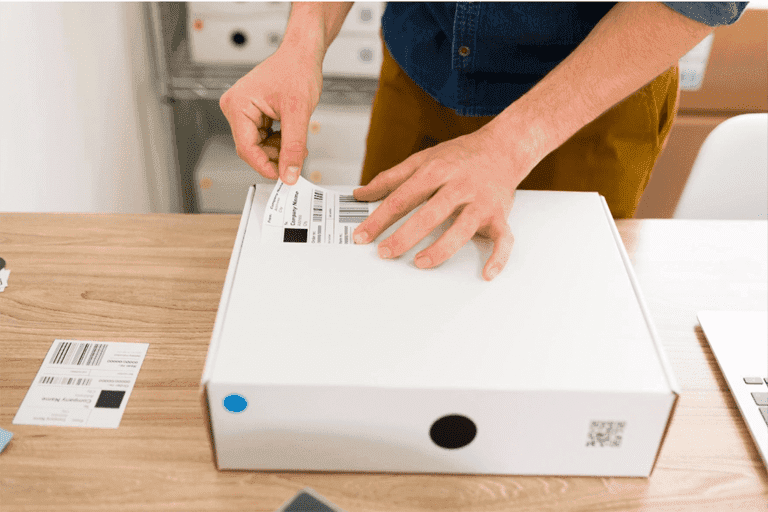
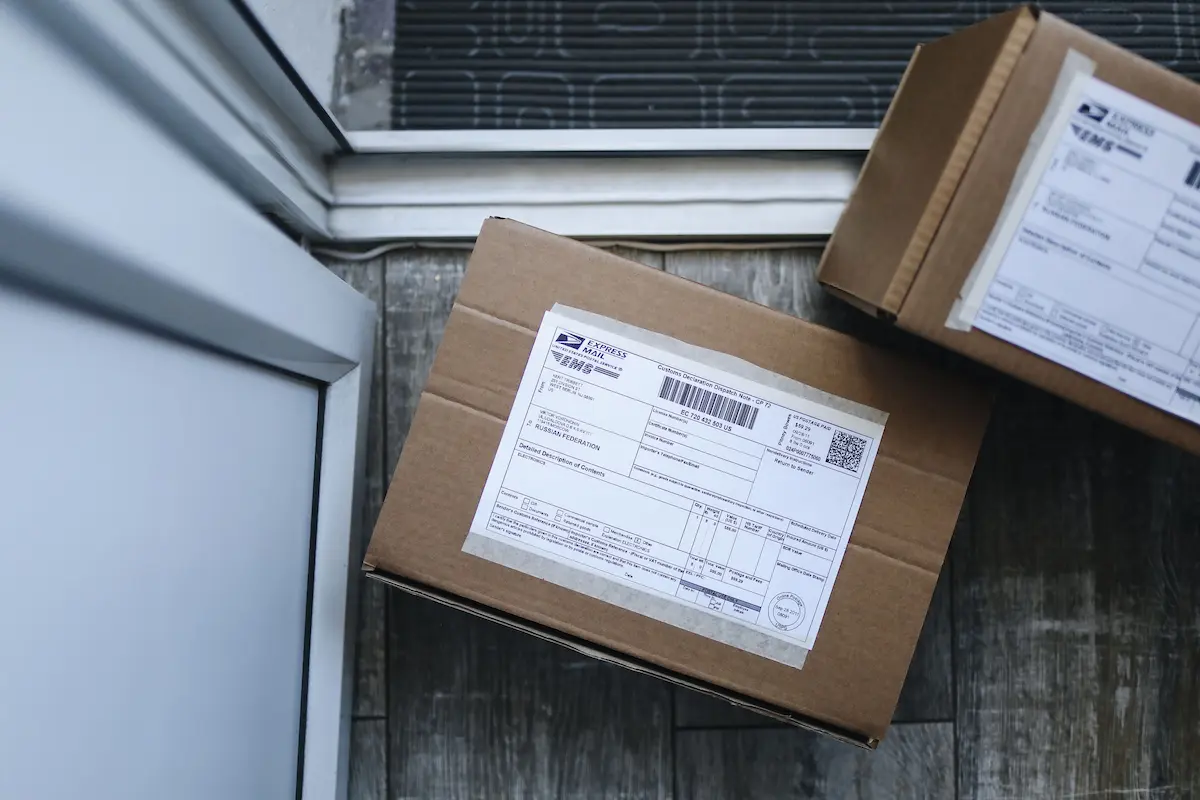
A return label is a prepaid, pre-filled label that customers attach to the parcel to easily send the return back to the seller's premises.
Usually, when a customer buys online, they decide on their own whether to make a return (and receive a refund) or an exchange (usually for a gift card or a replacement product of equal value).
It's very important that your customers can easily print the return label.
Likewise, it's important that you can easily manage all the return requests and analyze the reasons customers report, so you can act and improve your online store.
In the next sections you'll learn about the features of our e-commerce shipping platform that will help you streamline and speed up the entire returns process (and more!).
Label-free returns are already a reality
Among the latest developments in e-commerce returns is the label-free return.
With this option the customer no longer has to print the return label.
In fact, they simply start the return request, head to the most convenient collection point, and have the QR code they received by email scanned by the seller.
At that point, the collection point takes care of printing the label and then handing the parcel over to the carrier.
Label-free returns are a novelty that many e-commerce businesses (like Amazon and Vinted) and carriers (Poste Italiane, InPost) are already testing, with the goal of simplifying the return process for the customer.
And it's very important to put the customer at the center of your decisions, because much of your e-commerce's success depends precisely on their satisfaction and trust.
Why is returns management so important for your e-commerce?
In a previous article on the Blog we talked about the state of e-commerce returns 2022, in which we analyzed the current problems, explored solutions, and anticipated future trends.
Here are some very interesting figures that every online seller should know:
68% of consumers choose to buy online based on the store's return policy. Naturally, the option most desired by buyers is free returns, which takes a weight off the customer but involves some extra costs for the seller. These costs are often not easy to predict, because returns are subject to fluctuations and also depend on the type of products sold. So free returns in the current operating climate are a hard-to-sustain option for online stores, especially for small and medium-sized businesses.
What's more, after purchase about 63% of customers decide to make a return.
This means almost three out of five customers request a return and subsequent refund.
A figure that should absolutely not be underestimated when running an e-commerce.
Having a forecast of possible returns lets you be ready to meet refund requests and manage your logistics and warehouse in the best way.
Now let's dig deeper into the issue and try to understand the main reasons why consumers request a return.
What are the main causes of returns?
In reverse logistics it's a good idea to investigate the reasons for a product being returned; you need to understand what caused the customer's dissatisfaction and act on it.
The main reasons for a return request are:
Damaged, defective, or lost goods
One of the biggest causes of returns is receiving goods damaged during transport.
To solve this problem, you can offer the customer the choice of insured shipping that protects their order in case of damage, theft, or loss.
Sometimes a customer may receive a broken or defective item.
In this case you need to apologize to the customer and provide a refund or offer a free replacement of the item.
Customer dissatisfaction A good portion of returns happen because the product received doesn't match the one ordered or doesn't fully meet the customer's expectations.
Expected delivery date not met
The shipment must happen within the times communicated at the time of purchase, otherwise you risk disappointing the customer.
Delivery must not be late because the customer might no longer need the item ordered, having already found an alternative. Carefully choose the carrier you entrust your e-commerce deliveries to! We suggest reading our free guide where we compare the main Italian carriers and their shipping services.
Wanting to try a new size or another color
This situation happens frequently in online clothing stores that offer free returns.
The customer places a first order, tries on the chosen items, and then decides what to keep and what to return in order to try a new size, color, or style.
To prevent this behavior, it's enough to add a size guide with the items' dimensions to the product pages.
Better price found elsewhere
Consumers always want to buy at the best price (alas, often saving on quality), and as soon as they find a better price in another online store they don't miss the chance to return the previous purchase.
This situation is also very common in e-commerce stores that offer a free returns policy.
Purchase made by mistake To err is human, and sometimes a customer may believe they correctly canceled a purchase when they actually didn't, only to have the unwanted parcel delivered to their home.
4 ways to reduce your return rate
We've analyzed all the reasons for a return request, and now we ask ourselves: what can we do to reduce the chances that the customer returns an order?
Keep reading the article and discover 4 solutions to answer this question.
1. A clear and detailed return policy
Consumers are more likely to shop at a store that offers a good return policy.
A return policy written in detail lets you handle all requests the same way and avoid the tendency to handle cases one by one, which is often less productive and more expensive.
I recommend adding a page to your e-commerce site where you clearly explain to the customer the return and refund policies you apply.
Here's the information customers look for and that must absolutely not be missing:
What are the costs of the return label?
How do you print the return label and prepare the parcel for the return?
Within how many days can the request be made?
What reasons are accepted and how do you get a refund for damaged goods?
2. A size guide
As we saw in the previous section, consumers often request a return to try a new size.
E-commerce has many advantages, but unlike a physical store you can't try items on before deciding which to buy.
What can the seller do to get around this limitation and make the customer's choice easier?
Simple: just create a guide with the items' dimensions for the various available sizes.
Extra tip: if the product page has photos of a model wearing the item, it will be very useful to indicate the models' height and the size worn in the photo to help the customer have a point of reference.
3. Clear and complete information in the product page
When a person decides to buy from your e-commerce, it means they've found the product that can meet a need of theirs.
To avoid disappointing the customer's expectations, it's essential to write all the useful information in the product page, for every item. The following must not be missing:
Weight and dimensions
Demonstration photos of the whole product and its details
What functions it performs and how?
What makes it unique compared to competing alternatives?
Extra tip: upload a video and show how to use the product and what functions it performs.
It's a winning strategy to increase e-commerce sales.
4. Time limits for return requests
The last way to reduce your e-commerce return rate that we'll discuss concerns the timing for making the request.
Inform the customer that your store only accepts return requests made within a certain time limit.
For example, you can decide that your customers must report any defects or flaws in the product within 14 days of receiving the parcel.
After this limit, returns will no longer be accepted.
Want to dig deeper into this topic?
Download our free guide and discover how to turn e-commerce returns into opportunities, from writing a return policy to optimizing the returns process. Turn returns into an opportunity!
A valuable ally for returns management
We've reached the end of this article, in which we explained what a return label is and the methods to reduce the return rate.
Now, instead, let's focus on the practical side of e-commerce returns management.
You can handle the entire management of returns and shipments on your own, but you risk wasting time and energy that you could put into optimizing other aspects of your e-commerce.
By using a shipping platform like Sendcloud, you choose to have a valuable ally by your side to improve your online store.
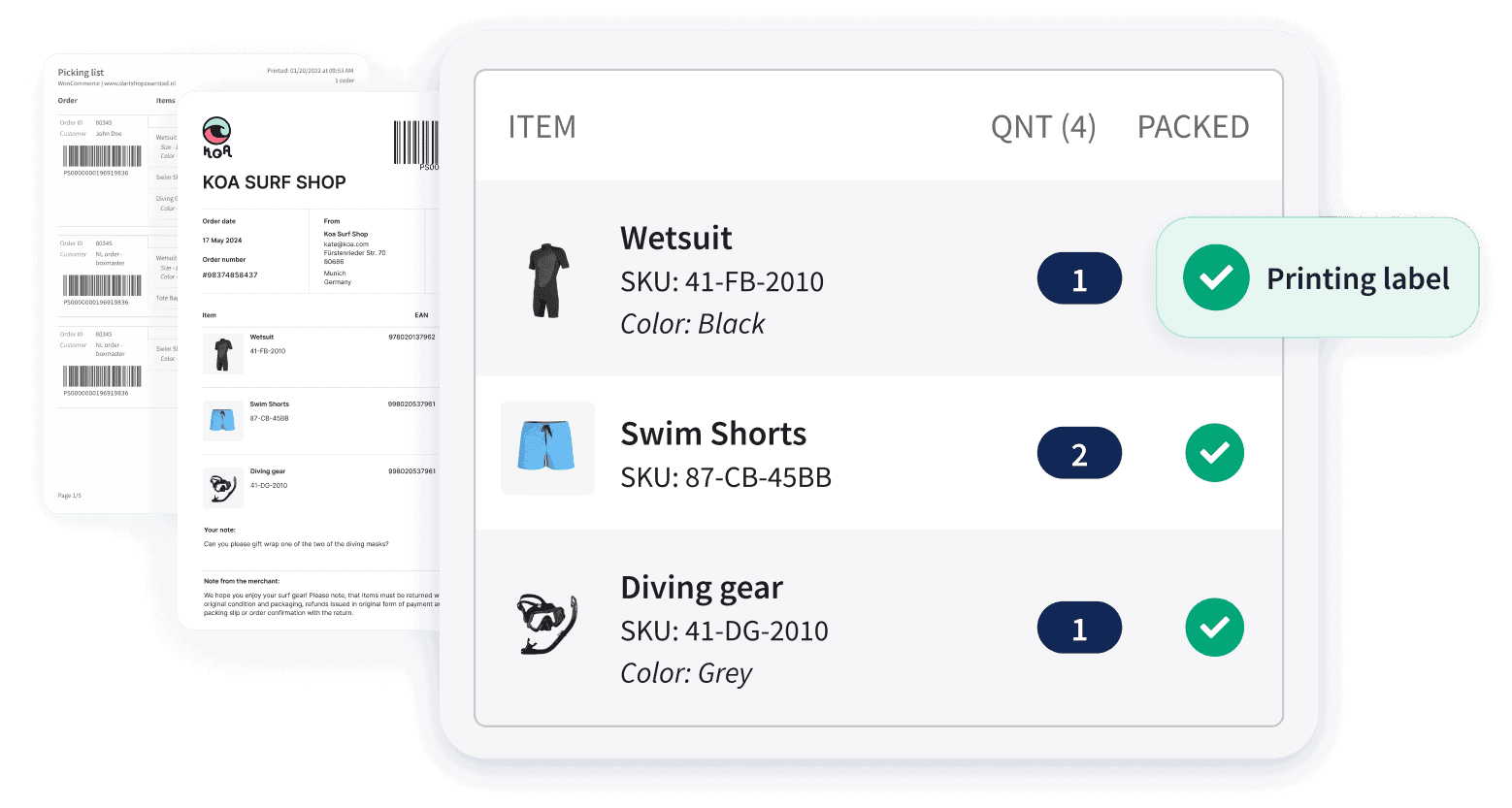
Sendcloud gives you software for e-commerce shipping and returns management.
Keep track of orders out for delivery, process returns with ease, and thanks to shipping automations forget about the most tedious and repetitive processes.
How does Sendcloud work? Find out in 1 minute!
Not convinced yet? Book a free demo now, or create your free Sendcloud account, connect your online store, and start shipping.
How much time can you save on shipping?

Share
Recommended for you

Shipping
Integrations
Best Shopify shipping apps: compare features, pricing & automation
Compare the best Shopify shipping apps for automation, carriers, labels, tracking, returns and international shipping. Find the right app for your store.

Shipping Intelligence
Shipping
E-commerce
Best 9 Shipping Data Analytics Software Tools (2026)
E-commerce
Enterprise