Automation in E-commerce: 5 Trends


Last updated:
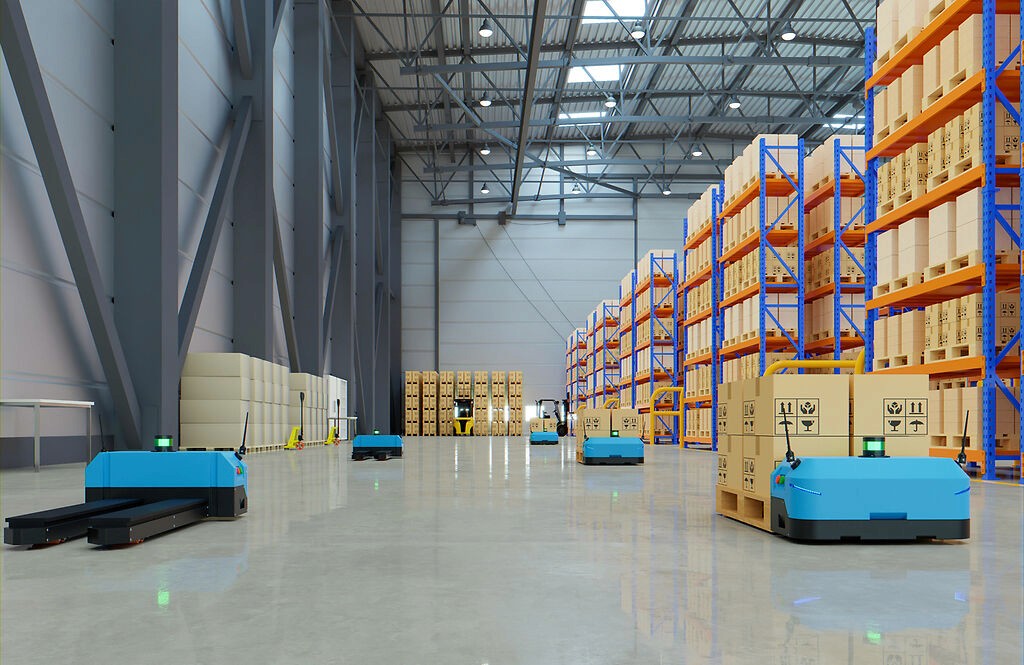
Automation in e-commerce is inevitable. If you go back and watch any movie that predicts the future, it’s always robots.
A.I. this, automation that. Whether it’s a man-killing machine in the shape of Mr Universe. Or an android-mecha in the shape of an endearing 9-year-old boy with an ultimately fragile attachment to a talking build-a-bear. It’s always robots.
Although these “predictions” were a bit off, have you noticed that robots have actually snuck their way into our everyday lives? Alright, alright, that's probably a reach. However, automation is everywhere.
Automation will be a necessity for every e-commerce business (if it isn't already) that wants success. And who doesn't want success?
Offline and Online Automation in E-commerce
Do you remember how people freaked out when self-checkout was introduced?
Get this - I was in Uni-Qlo buying an effortlessly cool grandfather-collared shirt. It was like an off-white/cream, linen little number with durable buttons - stunning. That's beside the point. When I went to the checkout, I was gobsmacked. You literally drop all your clothes into a "bucket-till" and all the items simply pop up on the screen. Madness!
Automation is essential as it's almost impossible to process the amount of foot traffic during peak hours. A similar thing can be said for e-commerce. The difference with e-commerce is that there are 25 peak hours in a day.
Without e-commerce automation, processing the number of orders would be an impossible task. Especially when you couple the number of orders with the expectations of customers.
Customers demand speed. If they can't get their order that week (sometimes even the next day), they're kicking off. This is where automation is essential for sustained growth and scalability while adhering to the demands and expectations of customers.
Okay, so now we’ve convinced you to get serious about robots, what trends should you be hopping on in 2022? Below you'll find 5 we prepared earlier. There's a slight chronology, it's in the order of how we believe a growing business should tackle them.
5 e-commerce automation trends
1. Smart Order Processing
Order processing done more manually is a mammoth waste of time. We're just putting it out there - no holds barred. It massively increases your order fulfillment cycle time. The bigger issue that arises is human error. Human error is avoidable and really costly for your business.
So how can you reduce order errors? That's simple. You need to eliminate the need for manual, administrative tasks in your order processing system.
One common example is that employees have to manually change the courier or shipping method. This can be based on the weight, delivery date, or even international shipping. There are loads of scenarios in order processing that will require your employees to manually make changes. And very often one by one. This costs both time and resources.
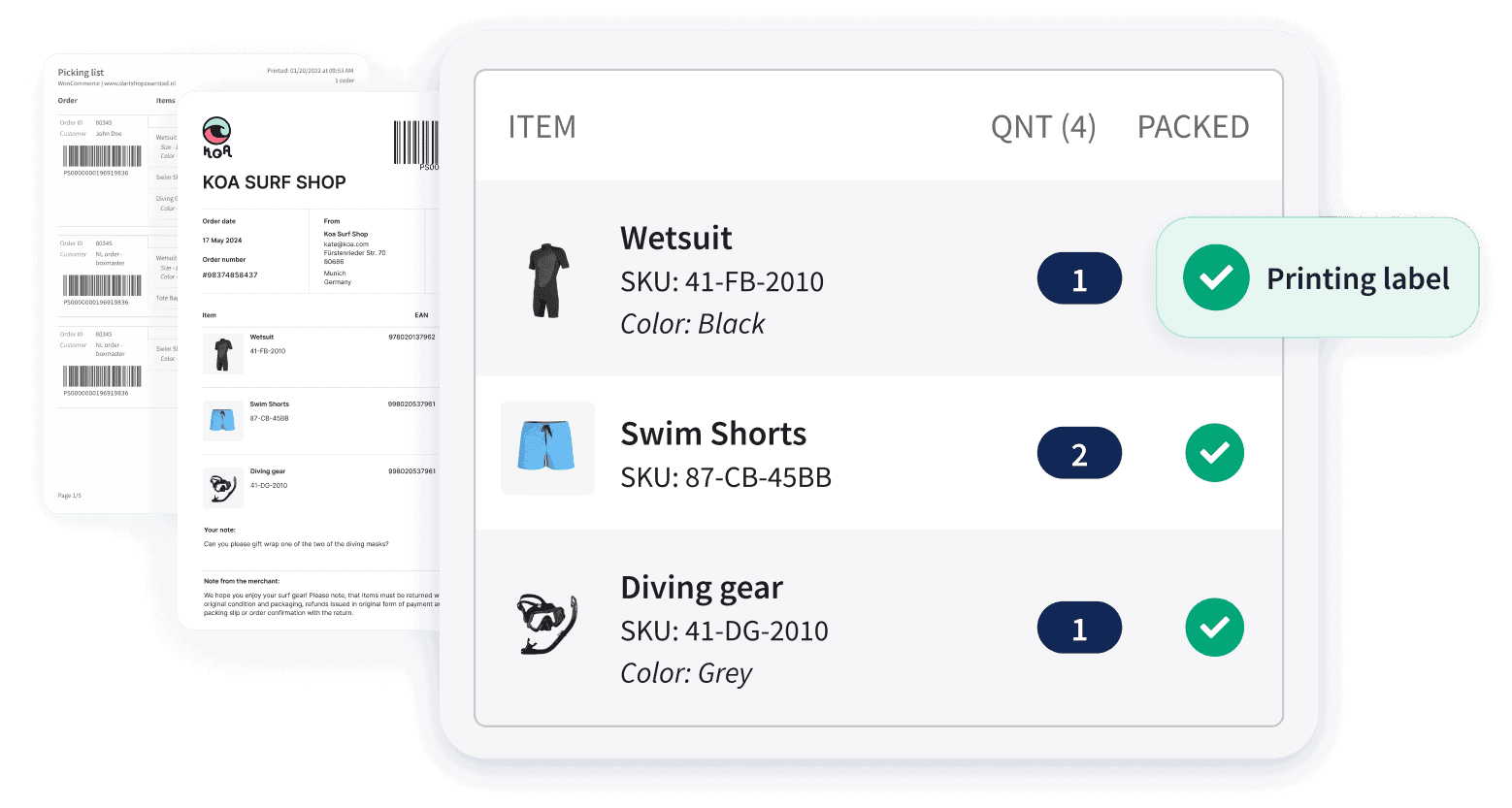
Automating this process via Smart Shipping Rules eliminates manual work. As an order is processed, the correct shipping options are applied automatically depending on the rules in place. If it weighs x, it means shipping option y. If it costs y, it means shipping option x.
In layman's terms, all your employees need to do is pick, pack, and send each order.
2. Returns Management
You won't believe how many businesses don't know when a customer is making a return, why, and when it will arrive back at the warehouse. Sounds crazy, right?
If you really want that gold star, in advance, you'll know what actions will need to be taken (e.g. refund or exchange) and, you'll get the product back on sale, if possible, as soon as possible.
Did you know that 42% of retailers say they aren't aware of a return until it physically reaches their returns location? We can only imagine the bottleneck this causes for those employees handling returns. A waste of time and a waste of money.
Using a fully-automated returns portal is the only answer here. The best solutions allow customers to arrange their return in a matter of minutes. They can specify the exact reason for the return and quickly learn which type of reimbursement they're entitled to.
They also provide live tracking. Meaning your employees no longer have the fear of wondering how many returns are going to turn up on any given day.
3. Inventory Management
Picking orders is the most labor-intensive job in the warehouse. Order pickers generally walk, carry, and lift for 60-80% of their workday. Respect, seriously. There are a couple of solutions that are making quite a splash in the order-picking world.
Pick Picking Technology
Picking technology does exactly what you think. It streamlines the picking process by calculating a picker's most efficient walking, carrying, and lifting route. Yes, it's very nerdy. But my goodness, does it excite us at Sendcloud? Yes. Yes is the answer.
ERP Systems - what are they?
The next step would be to integrate an ERP system. Sounds fancy (and it is).
An ERP system is an application that centralizes and automates business processes from accounting, manufacturing, sales, HR, etc. While at the same time giving you more insights and more control. Basically, it reduces administrative and operational costs by creating a centralized database.
In e-commerce, ERP systems are responsible for some of the most crucial processes. This includes monitoring inventory levels, processing orders, optimizing the shipping process, and providing comprehensive reports.
4. Smart Analytics, AI, and machine learning
Warehouses are only going to get more important. And probably, bigger and bigger. This means a larger catalogueue, more stock per item, and just more orders in general.
Very soon, warehouses will be tasked with effectively predicting product demand. Warehouse managers are searching for solutions that anticipate stock levels, manage replenishment, and improve layout and capacity.
This is where predictive analytics comes in. It makes use of predictive modelling, big data, and data mining to analyse historical trends and even predict the future.
Together with AI (a slightly different AI from that creepy little kid in Steven Spielberg's movie), this is an effective method for optimizing stock levels, replenishment, and increasing efficiency.
The global market for predictive analytics is predicted to grow to USD21.5 billion by 2025. This is proof enough that not only warehousing but all sorts of industries find smart analytics and machine learning a worthy investment.
Interested in AI in shipping? Check out our new Shipping Intelligence feature!
5. Warehouse Automation + Robotics
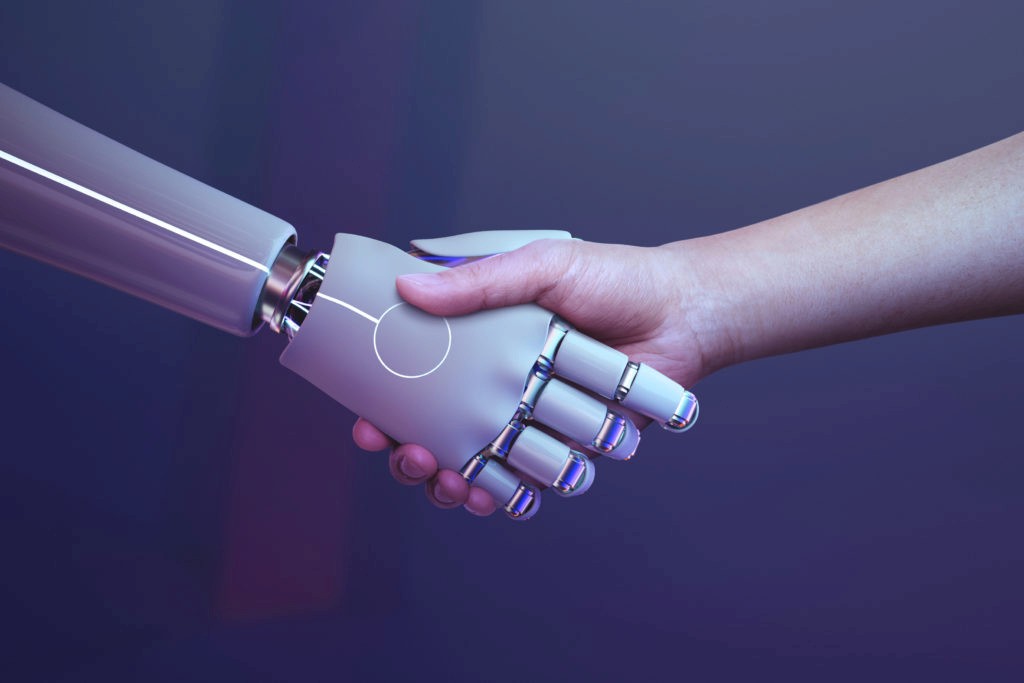
This one is mostly a bit of fun but there is actually quite a bit of truth to it as well. Using robots to assist warehouse staff during the picking process is growing across retail. Even Amazon has begun integrating robotics into their infrastructure.
The most popular robots being touted for a big splash in 2022 are "co-bots". They're both used to reduce the strenuous working days of order pickers. The first travels throughout the pick area, stopping and waiting for a picker to load up the order.
This enables pickers to only move from bot to bot as opposed to across the entire warehouse. The second leads pickers to each product and heads to the packing station when full. Another bot is then sent to the location of the picker. Both are very handy and futuristically cool solutions.
What does automation in e-commerce look like in the future?
We're already living in the future. Robots, automation, and AI; it's already implemented in the leading e-commerce companies across the globe. And, as we all know, that spells a certain inevitability. Though you won't need to hire humanoid robots this year, fully committing to automation is a must.
For too long, automation solutions used by e-commerce businesses have been flawed and, in some instances, created more issues than they've resolved.
We encourage all e-commerce businesses to refine their automated processes this year. We've seen first-hand the huge impact and profits it can result in for online retailers.
Check out how Sendcloud can support you in automating your shipping now!


Author and researcher
Marina Fernández leads the Communications craft, creating e-commerce, B2B, and SaaS content. She ensures that every piece of content is of the highest quality and effectively meets its intended purpose.

Subject matter expert
Partner Program Manager at Sendcloud. On our blog, Kate shares valuable industry insights from top e-commerce experts and influencers.
How much time can you save on shipping?

Share
Recommended for you

Consumer trends in e-commerce 2026: What European shoppers really want
We surveyed 8,000 European shoppers to map the biggest consumer trends in e-commerce, from checkout to post-purchase, loyalty, and returns.

E-commerce
E-commerce trends 2026: 7 shifts reshaping online retail
E-commerce trends 2026 reveal a shift from growth-at-all-costs to operational maturity. Discover 7 shifts reshaping online retail in Europe.
Tracking
From cart to door: How age shapes the delivery journey in 2025
Explore how different age groups shape the e-commerce delivery journey in 2025. Learn what Gen Z, Millennials, Gen X, and Boomers expect.