Forget about the complexities of an RMA with our returns solution
Combine the power of an RMA software with a leading shipping platform. Get access to over 100 couriers, multiple return methods, and automated return tracking. Ready to simplify your returns?
“Whether it’s printing labels, adding new couriers or managing returns, Sendcloud makes our lives easier.”
Immersive Display
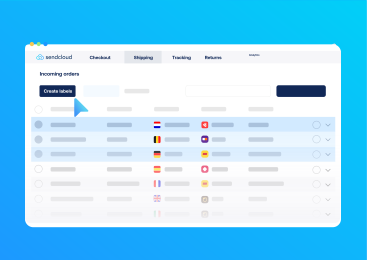
No extra tools needed
Forget juggling multiple tools. Handle your returns and shipping all in one place, reducing costs and streamlining your workflow.
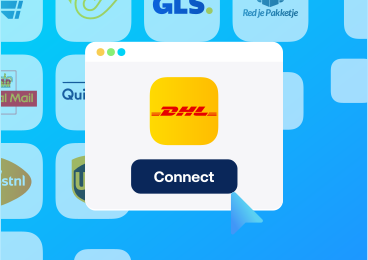
600+ return methods
Enjoy instant access to over 600 return methods and 100+ couriers. Use our pre-negotiated rates or your own contracts—whatever works best for you.
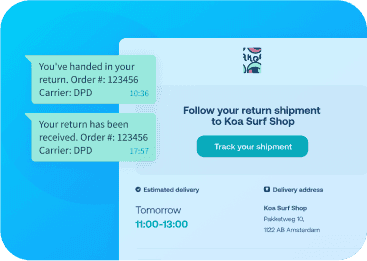
Automated return workflows
Say goodbye to complex RMA processes. Automate your return workflows and label printing, saving time and reducing errors.
No extra tools needed
Forget juggling multiple tools. Handle your returns and shipping all in one place, reducing costs and streamlining your workflow.
600+ return methods
Enjoy instant access to over 600 return methods and 100+ couriers. Use our pre-negotiated rates or your own contracts—whatever works best for you.
Automated return workflows
Say goodbye to complex RMA processes. Automate your return workflows and label printing, saving time and reducing errors.
No extra tools needed
Forget juggling multiple tools. Handle your returns and shipping all in one place, reducing costs and streamlining your workflow.
600+ return methods
Enjoy instant access to over 600 return methods and 100+ couriers. Use our pre-negotiated rates or your own contracts—whatever works best for you.
Automated return workflows
Say goodbye to complex RMA processes. Automate your return workflows and label printing, saving time and reducing errors.
Let customers handle their own returns
With the returns portal, customers can initiate and manage their returns, saving you time and reducing workload, without the hassle of manual RMA processing.
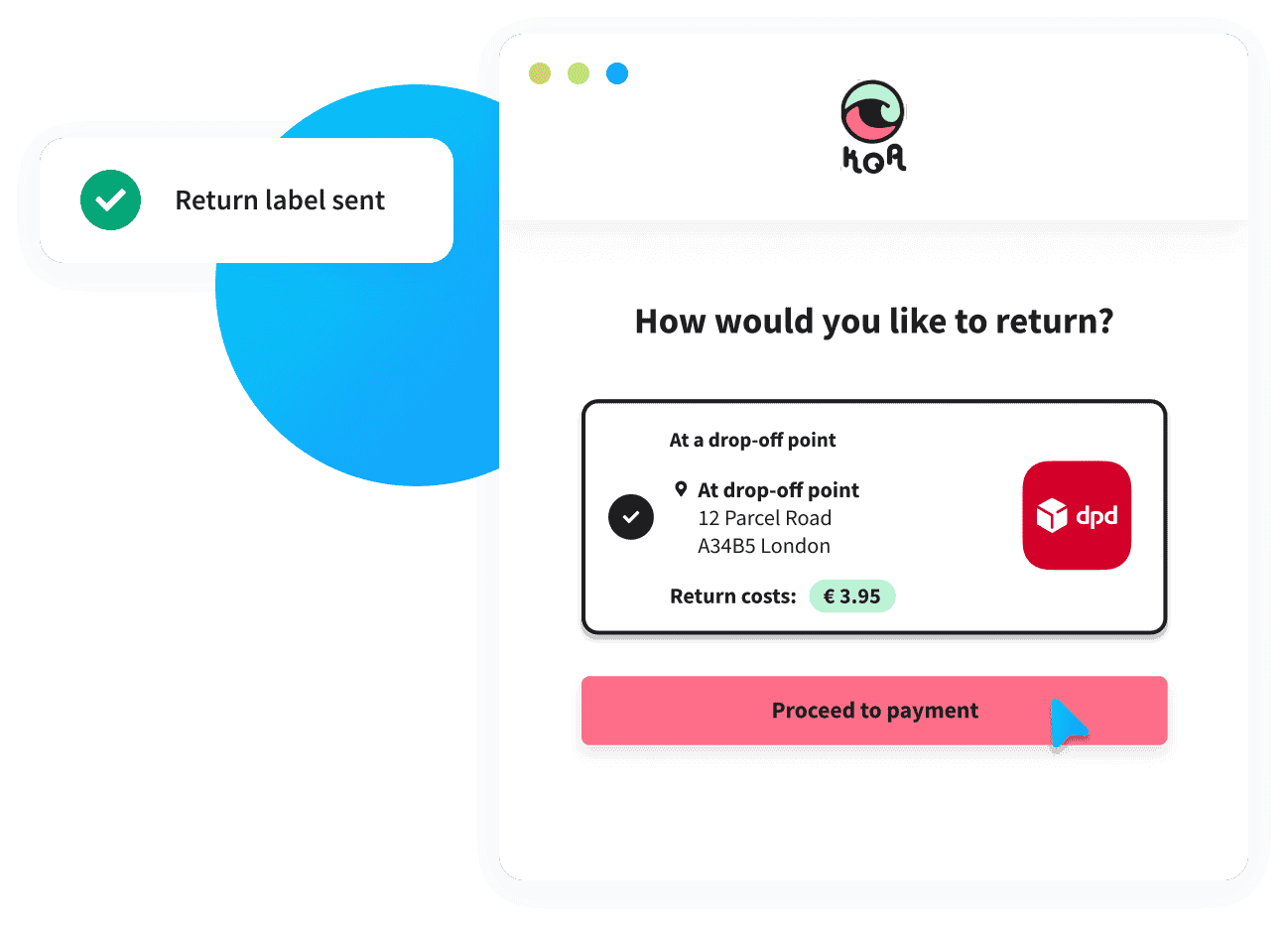
Let customers handle their own returns
With the returns portal, customers can initiate and manage their returns, saving you time and reducing workload, without the hassle of manual RMA processing.
Let customers handle their own returns
With the returns portal, customers can initiate and manage their returns, saving you time and reducing workload, without the hassle of manual RMA processing.
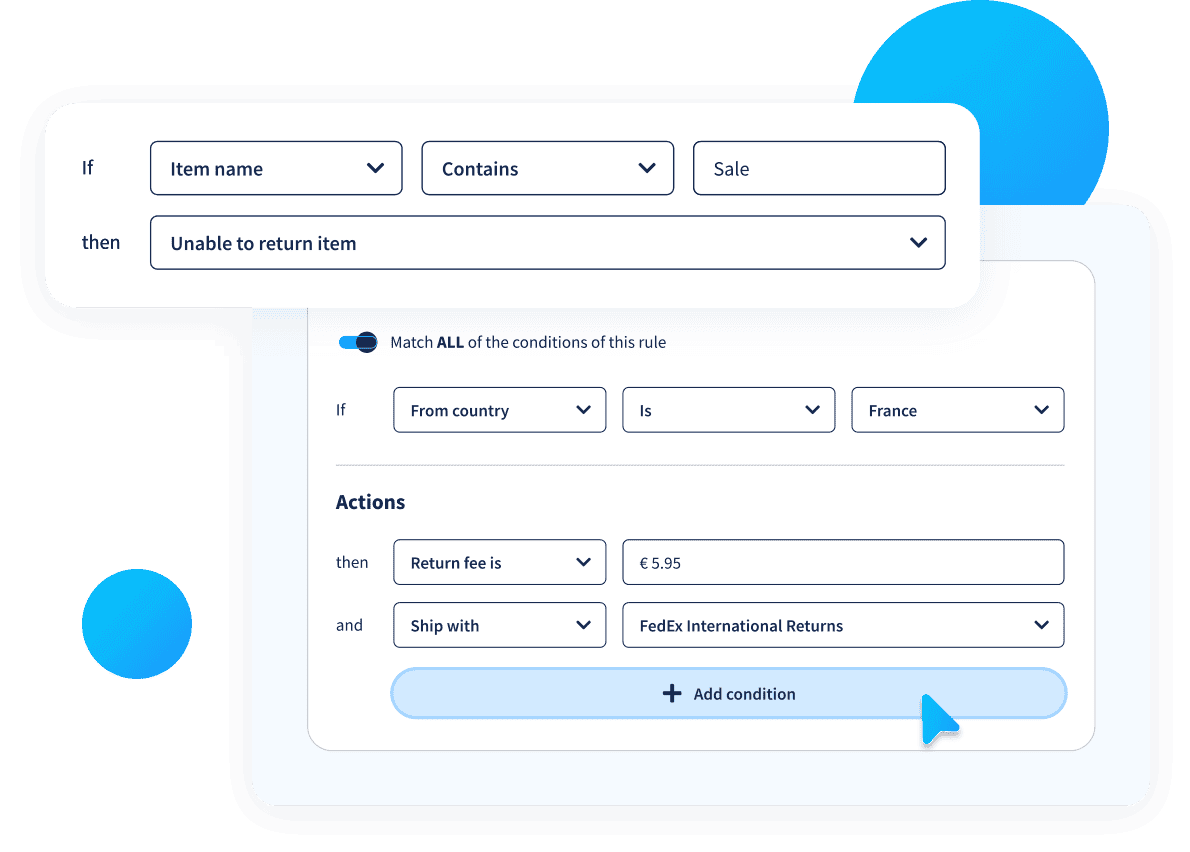
Put your returns on autopilot without an RMA software
Forget about manual approvals and complicated return policies. Sendcloud allows you to create automated rules that approve or reject returns, assign fees, and manage the entire process.
Put your returns on autopilot without an RMA software
Forget about manual approvals and complicated return policies. Sendcloud allows you to create automated rules that approve or reject returns, assign fees, and manage the entire process.
Put your returns on autopilot without an RMA software
Forget about manual approvals and complicated return policies. Sendcloud allows you to create automated rules that approve or reject returns, assign fees, and manage the entire process.
Reduce “Where Is My Order?” enquiries
Gain complete control over the returns process from start to finish. You and your customers can easily track the return status and monitor every step without needing to contact your team.
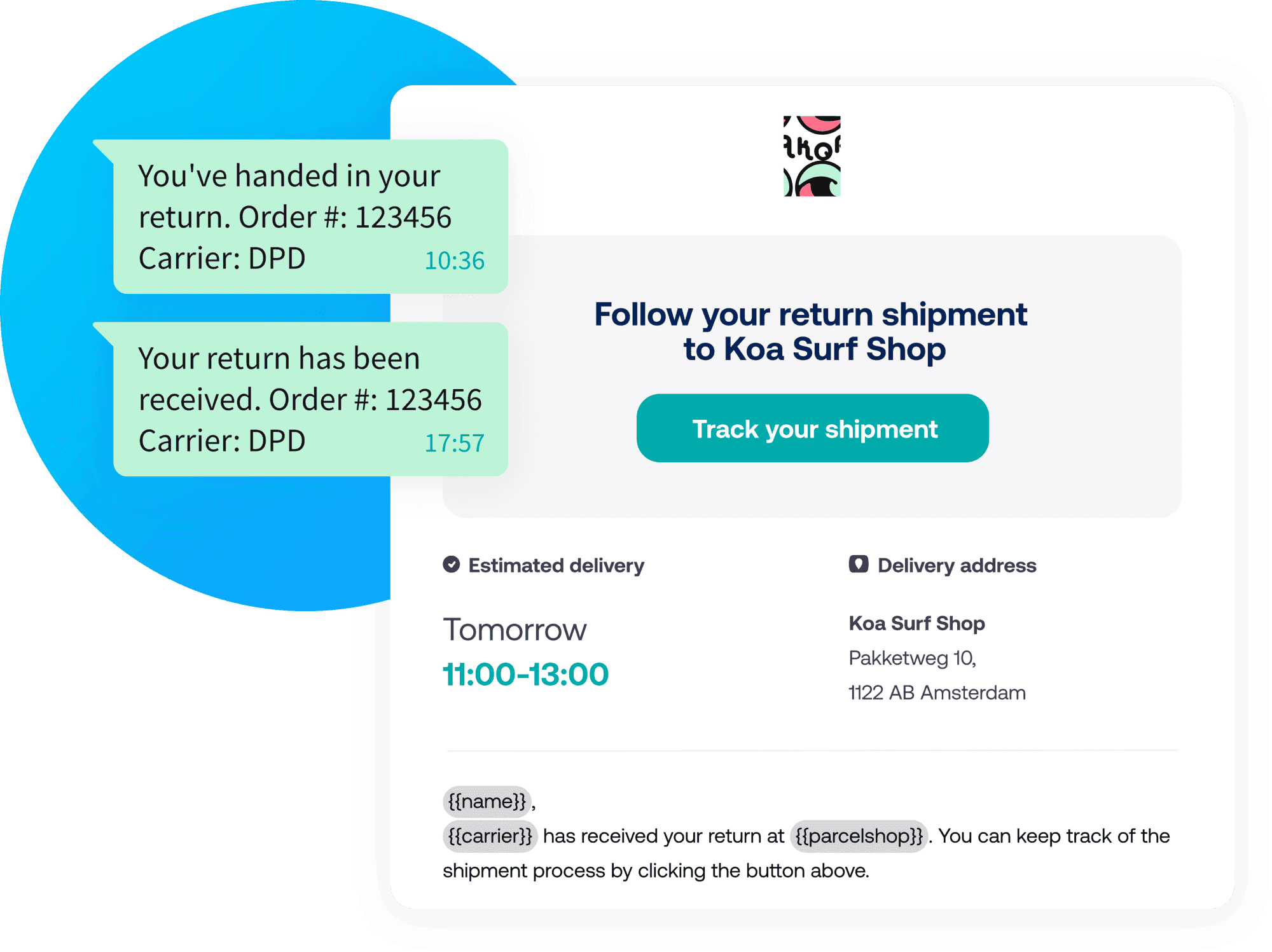
Reduce “Where Is My Order?” enquiries
Gain complete control over the returns process from start to finish. You and your customers can easily track the return status and monitor every step without needing to contact your team.
Reduce “Where Is My Order?” enquiries
Gain complete control over the returns process from start to finish. You and your customers can easily track the return status and monitor every step without needing to contact your team.

Offer hassle-free international returns
Set up a multilingual returns portal that helps international customers create return labels and select the most convenient return options in their area.
Offer hassle-free international returns
Set up a multilingual returns portal that helps international customers create return labels and select the most convenient return options in their area.
Offer hassle-free international returns
Set up a multilingual returns portal that helps international customers create return labels and select the most convenient return options in their area.
Get your returns portal up and running
Check out our quick demo video where we show you exactly how easy it is to manage returns with our returns portal. Grab some popcorn and hit play!
What our customers say

Bunzlau Castle 🇳🇱
“Delivering the best possible customer experience is paramount at Bunzlau Castle. Using Sendcloud’s branded tracking emails, we can always keep our customers informed about the status of their order.”

Woodwatch 🇳🇱
“International shipping can be hard because you have to fill out a lot of forms for every shipment. Sendcloud offers us the possibility to automate this process.”

Hive 🇩🇪
“New courier integrations usually require a lot of time and technical resources. But with Sendcloud, we can go live with a new delivery option in minutes.”

Black Racks 🇪🇸
“Sendcloud helps us a lot with time management. We would like to keep growing, especially internationally, and the less time we spend on logistics issues, the more time we have to invest in growth and increasing sales.”

Jade Roller 🇫🇷
“The generation of customs documents has enabled us to offer our international customers delivery options thanks to multi-courier support. This allows us to expand rapidly into new markets.”
Treats 🇳🇱
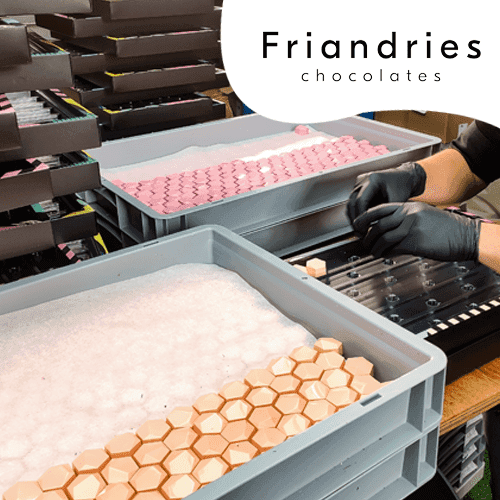
“We would like to open a store in Amsterdam and make Friandries an international brand. With the help of Sendcloud, we not only save time, but we can now easily scale internationally and introduce even more people to our…”
Bunzlau Castle 🇳🇱
“Delivering the best possible customer experience is paramount at Bunzlau Castle. Using Sendcloud’s branded tracking emails, we can always keep our customers informed about the status of their order.”
Woodwatch 🇳🇱
“International shipping can be hard because you have to fill out a lot of forms for every shipment. Sendcloud offers us the possibility to automate this process.”
Hive 🇩🇪
“New courier integrations usually require a lot of time and technical resources. But with Sendcloud, we can go live with a new delivery option in minutes.”
Black Racks 🇪🇸
“Sendcloud helps us a lot with time management. We would like to keep growing, especially internationally, and the less time we spend on logistics issues, the more time we have to invest in growth and increasing sales.”
Jade Roller 🇫🇷
“The generation of customs documents has enabled us to offer our international customers delivery options thanks to multi-courier support. This allows us to expand rapidly into new markets.”
Treats 🇳🇱
“We would like to open a store in Amsterdam and make Friandries an international brand. With the help of Sendcloud, we not only save time, but we can now easily scale internationally and introduce even more people to our…”
Bunzlau Castle 🇳🇱
“Delivering the best possible customer experience is paramount at Bunzlau Castle. Using Sendcloud’s branded tracking emails, we can always keep our customers informed about the status of their order.”
Woodwatch 🇳🇱
“International shipping can be hard because you have to fill out a lot of forms for every shipment. Sendcloud offers us the possibility to automate this process.”
Hive 🇩🇪
“New courier integrations usually require a lot of time and technical resources. But with Sendcloud, we can go live with a new delivery option in minutes.”
Black Racks 🇪🇸
“Sendcloud helps us a lot with time management. We would like to keep growing, especially internationally, and the less time we spend on logistics issues, the more time we have to invest in growth and increasing sales.”
Jade Roller 🇫🇷
“The generation of customs documents has enabled us to offer our international customers delivery options thanks to multi-courier support. This allows us to expand rapidly into new markets.”
Treats 🇳🇱
“We would like to open a store in Amsterdam and make Friandries an international brand. With the help of Sendcloud, we not only save time, but we can now easily scale internationally and introduce even more people to our…”
Bunzlau Castle 🇳🇱
“Delivering the best possible customer experience is paramount at Bunzlau Castle. Using Sendcloud’s branded tracking emails, we can always keep our customers informed about the status of their order.”
Woodwatch 🇳🇱
“International shipping can be hard because you have to fill out a lot of forms for every shipment. Sendcloud offers us the possibility to automate this process.”
Hive 🇩🇪
“New courier integrations usually require a lot of time and technical resources. But with Sendcloud, we can go live with a new delivery option in minutes.”
Black Racks 🇪🇸
“Sendcloud helps us a lot with time management. We would like to keep growing, especially internationally, and the less time we spend on logistics issues, the more time we have to invest in growth and increasing sales.”
Jade Roller 🇫🇷
“The generation of customs documents has enabled us to offer our international customers delivery options thanks to multi-courier support. This allows us to expand rapidly into new markets.”
Treats 🇳🇱
“We would like to open a store in Amsterdam and make Friandries an international brand. With the help of Sendcloud, we not only save time, but we can now easily scale internationally and introduce even more people to our…”
Your go-to guides for
mastering returns
Don’t face the complexities of returns alone. We’re here to guide you every step of the way.

Integrations
Best Shopify apps for e-commerce stores (including shipping & automation tools)
Discover the best Shopify apps by category and learn how to build a scalable app stack without adding complexity.

Shipping Packaging
E-commerce
Shipping label guide: What is a shipping label and how does it work?
Learn what a shipping label is, what information it contains and how shipping labels work in e-commerce.
Couriers
E-commerce
How to estimate shipping costs when rates keep changing
Read our practical guide to estimating shipping costs for your online business. Avoid surprises and build shipping budgets that don’t break mid-year.
FAQs
What does RMA stand for?
RMA stands for Return Merchandise Authorisation. It’s a process businesses use to approve and track product returns. When customers need to return an item, they request an RMA, which gives them the green light to send it back.
Want to know more? Check out our article about RMA meaning.
What is RMA software?
RMA software is a tool that helps businesses manage product returns. It tracks every step—from the customer’s request to the final resolution—making the whole returns process smoother and more organised. If you frequently manage returns, this type of software can save a lot of time and headaches.
If your current RMA system feels cumbersome, check out the Sendcloud App Store and find the perfect solution for your business needs.
How does an RMA work?
An RMA process starts when a customer requests to return a product. They get an RMA number, which is like an approval code. Once the product is sent back, the business inspects it and decides whether to issue a refund, send a replacement, or repair the item. It’s a systematic way to ensure returns are handled efficiently.
What are the three types of RMA?
There are generally three ways an RMA can be handled:
Refund: The customer returns the product and gets their money back.
Replacement: The item is returned, and the customer receives a new one in exchange.
Repair: The product is sent back, fixed and then returned to the customer.
These options help businesses address different customer needs and situations.
Make sure you can review, approve and reject incoming return requests via a return portal to simplify this process.
What is RMA in the ERP system?
RMA in an ERP (Enterprise Resource Planning) system refers to the integration of the returns process into a company’s broader business operations. It connects returns with inventory, accounting, and customer service, ensuring that all parts of the business are in sync when handling returns.
Who pays for shipping in RMA?
Who covers the shipping costs in an RMA process depends on the company’s return policy. Sometimes, the business covers the cost, especially if the product is defective. Other times, the customer might need to pay for return shipping. It’s essential to have clear policies, so there are no surprises.
To ensure your policy is clear and fair, you can use Sendcloud’s return policy tool to create and manage your return policies easily.
What is the Return Merchandise Authorisation on Amazon?
On Amazon, an RMA (Return Merchandise Authorisation) is the process that allows customers to return items they’re not satisfied with. Customers request an RMA, receive a return label, and follow the steps provided by Amazon to send the item back. It’s Amazon’s way of ensuring returns are handled systematically and efficiently.
FAQs
What does RMA stand for?
RMA stands for Return Merchandise Authorisation. It’s a process businesses use to approve and track product returns. When customers need to return an item, they request an RMA, which gives them the green light to send it back.
Want to know more? Check out our article about RMA meaning.
What is RMA software?
RMA software is a tool that helps businesses manage product returns. It tracks every step—from the customer’s request to the final resolution—making the whole returns process smoother and more organised. If you frequently manage returns, this type of software can save a lot of time and headaches.
If your current RMA system feels cumbersome, check out the Sendcloud App Store and find the perfect solution for your business needs.
How does an RMA work?
An RMA process starts when a customer requests to return a product. They get an RMA number, which is like an approval code. Once the product is sent back, the business inspects it and decides whether to issue a refund, send a replacement, or repair the item. It’s a systematic way to ensure returns are handled efficiently.
What are the three types of RMA?
There are generally three ways an RMA can be handled:
Refund: The customer returns the product and gets their money back.
Replacement: The item is returned, and the customer receives a new one in exchange.
Repair: The product is sent back, fixed and then returned to the customer.
These options help businesses address different customer needs and situations.
Make sure you can review, approve and reject incoming return requests via a return portal to simplify this process.
What is RMA in the ERP system?
RMA in an ERP (Enterprise Resource Planning) system refers to the integration of the returns process into a company’s broader business operations. It connects returns with inventory, accounting, and customer service, ensuring that all parts of the business are in sync when handling returns.
Who pays for shipping in RMA?
Who covers the shipping costs in an RMA process depends on the company’s return policy. Sometimes, the business covers the cost, especially if the product is defective. Other times, the customer might need to pay for return shipping. It’s essential to have clear policies, so there are no surprises.
To ensure your policy is clear and fair, you can use Sendcloud’s return policy tool to create and manage your return policies easily.
What is the Return Merchandise Authorisation on Amazon?
On Amazon, an RMA (Return Merchandise Authorisation) is the process that allows customers to return items they’re not satisfied with. Customers request an RMA, receive a return label, and follow the steps provided by Amazon to send the item back. It’s Amazon’s way of ensuring returns are handled systematically and efficiently.
FAQs
What does RMA stand for?
RMA stands for Return Merchandise Authorisation. It’s a process businesses use to approve and track product returns. When customers need to return an item, they request an RMA, which gives them the green light to send it back.
Want to know more? Check out our article about RMA meaning.
What is RMA software?
RMA software is a tool that helps businesses manage product returns. It tracks every step—from the customer’s request to the final resolution—making the whole returns process smoother and more organised. If you frequently manage returns, this type of software can save a lot of time and headaches.
If your current RMA system feels cumbersome, check out the Sendcloud App Store and find the perfect solution for your business needs.
How does an RMA work?
An RMA process starts when a customer requests to return a product. They get an RMA number, which is like an approval code. Once the product is sent back, the business inspects it and decides whether to issue a refund, send a replacement, or repair the item. It’s a systematic way to ensure returns are handled efficiently.
What are the three types of RMA?
There are generally three ways an RMA can be handled:
Refund: The customer returns the product and gets their money back.
Replacement: The item is returned, and the customer receives a new one in exchange.
Repair: The product is sent back, fixed and then returned to the customer.
These options help businesses address different customer needs and situations.
Make sure you can review, approve and reject incoming return requests via a return portal to simplify this process.
What is RMA in the ERP system?
RMA in an ERP (Enterprise Resource Planning) system refers to the integration of the returns process into a company’s broader business operations. It connects returns with inventory, accounting, and customer service, ensuring that all parts of the business are in sync when handling returns.
Who pays for shipping in RMA?
Who covers the shipping costs in an RMA process depends on the company’s return policy. Sometimes, the business covers the cost, especially if the product is defective. Other times, the customer might need to pay for return shipping. It’s essential to have clear policies, so there are no surprises.
To ensure your policy is clear and fair, you can use Sendcloud’s return policy tool to create and manage your return policies easily.
What is the Return Merchandise Authorisation on Amazon?
On Amazon, an RMA (Return Merchandise Authorisation) is the process that allows customers to return items they’re not satisfied with. Customers request an RMA, receive a return label, and follow the steps provided by Amazon to send the item back. It’s Amazon’s way of ensuring returns are handled systematically and efficiently.
Cut RMA costs—simplify returns with Sendcloud
Discover how our returns portal can make your returns process faster, easier and more efficient.
Product
Solutions
Integrations
© 2026 Sendcloud. All rights reserved
Chamber of Commerce: 66572959
VAT number: NL856613897B01
Product
Integrations
Solutions
Resources
© 2026 Sendcloud. All rights reserved
Chamber of Commerce: 66572959
VAT number: NL856613897B01
Product
© 2026 Sendcloud. All rights reserved
Chamber of Commerce: 66572959
VAT number: NL856613897B01