
The formula behind a winning delivery experience
The E-commerce Delivery Compass 2026 brings you the latest delivery data and real shopper insights, so you can understand what your customers expect from delivery, returns, and turn those expectations into smarter decisions for your business.
8,000 online consumers
8 European countries
Free, ungated


The formula behind a winning delivery experience
The E-commerce Delivery Compass 2026 brings you the latest delivery data and real shopper insights, so you can understand what your customers expect from delivery, returns, and turn those expectations into smarter decisions for your business.
8,000 online consumers
8 European countries
Free, ungated
The formula behind a winning delivery experience
The E-commerce Delivery Compass 2026 brings you the latest delivery data and real shopper insights, so you can understand what your customers expect from delivery, returns, and turn those expectations into smarter decisions for your business.
8,000 online consumers
8 European countries
Free, ungated

The merchants who ship well don't just ship fast They ship smart
What really drives consumer decisions, from the moment consumers click “Buy” to the moment they choose to come back.
The merchants who ship well don't just ship fast They ship smart
What really drives consumer decisions, from the moment consumers click “Buy” to the moment they choose to come back.
The merchants who ship well don't just ship fast They ship smart
What really drives consumer decisions, from the moment consumers click “Buy” to the moment they choose to come back.
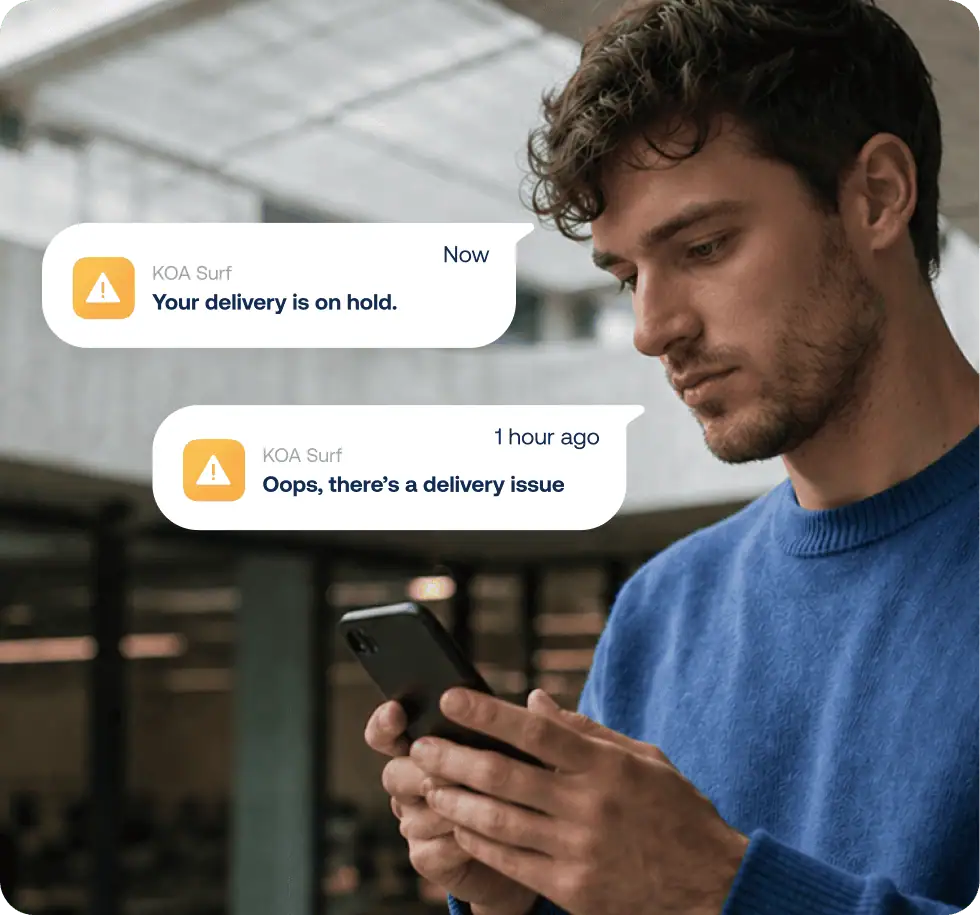
Delivery is costing you sales
48% of online shoppers abandoned their cart in the last 3 months due to delivery issues. From high costs to unclear delivery times, checkout problems are hurting your conversion.
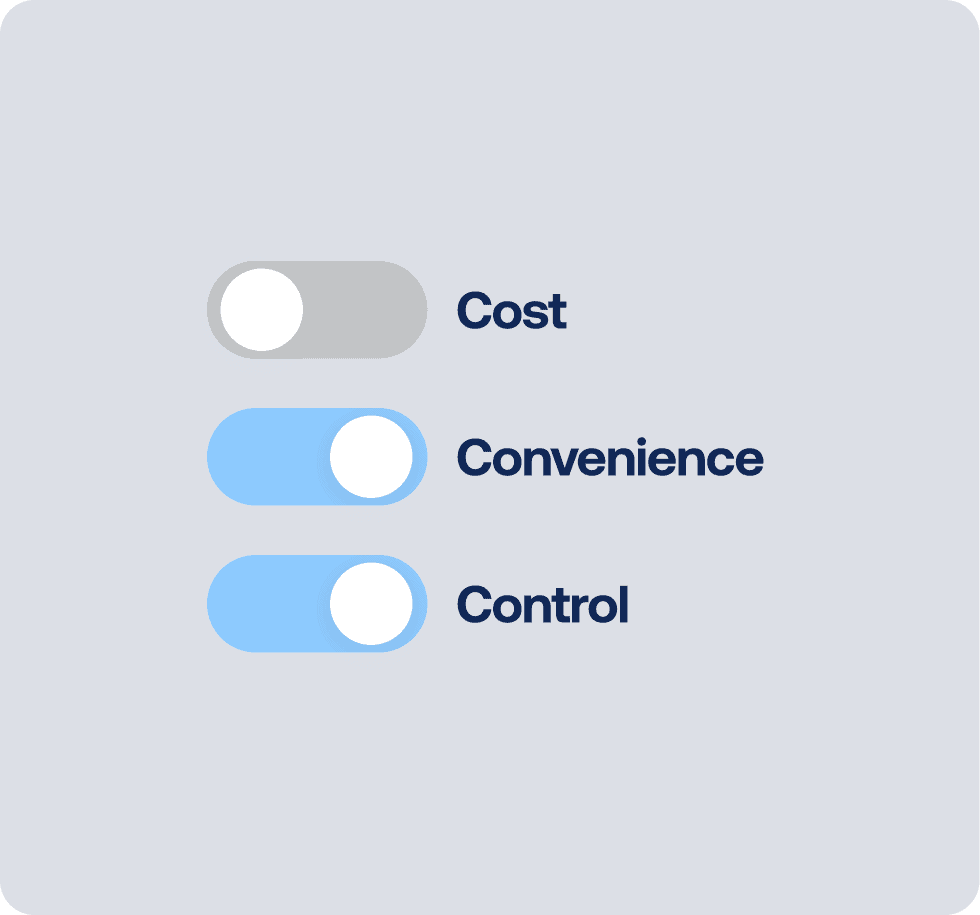
Fast isn’t always what wins
76% of consumers are willing to wait longer if it means avoiding delivery fees. Despite the focus on speed, shoppers are actively making trade-offs between cost, convenience and control.
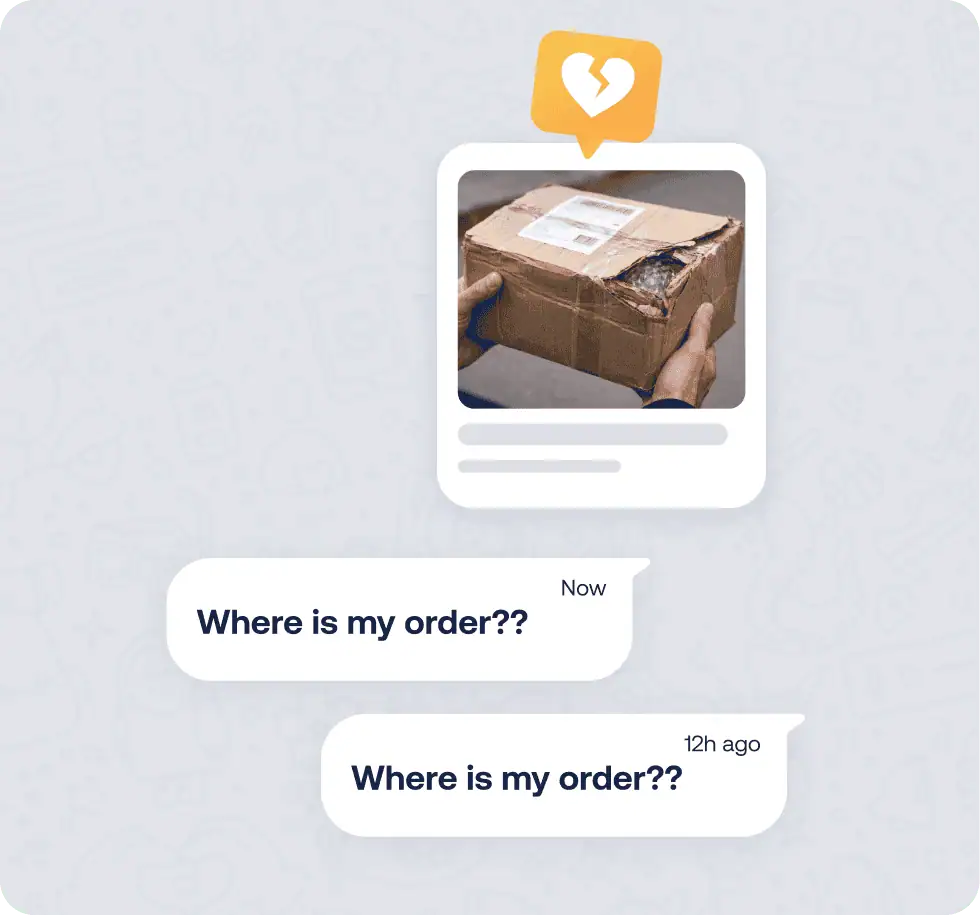
One bad delivery can lose a customer
29% of consumers stopped ordering after a delivery issue. Late deliveries, poor communication, or failed resolutions break loyalty.
International demand is there, but fragile
29% of consumers stopped ordering after a delivery issue. Late deliveries, poor communication, or failed resolutions break loyalty.
Delivery is costing you sales
48% of online shoppers abandoned their cart in the last 3 months due to delivery issues. From high costs to unclear delivery times, checkout problems are hurting your conversion.
Fast isn’t always what wins
76% of consumers are willing to wait longer if it means avoiding delivery fees. Despite the focus on speed, shoppers are actively making trade-offs between cost, convenience and control.
One bad delivery can lose a customer
29% of consumers stopped ordering after a delivery issue. Late deliveries, poor communication, or failed resolutions break loyalty.
International demand is there, but fragile
29% of consumers stopped ordering after a delivery issue. Late deliveries, poor communication, or failed resolutions break loyalty.
Delivery is costing you sales
48% of online shoppers abandoned their cart in the last 3 months due to delivery issues. From high costs to unclear delivery times, checkout problems are hurting your conversion.
Fast isn’t always what wins
76% of consumers are willing to wait longer if it means avoiding delivery fees. Despite the focus on speed, shoppers are actively making trade-offs between cost, convenience and control.
One bad delivery can lose a customer
29% of consumers stopped ordering after a delivery issue. Late deliveries, poor communication, or failed resolutions break loyalty.
International demand is there, but fragile
29% of consumers stopped ordering after a delivery issue. Late deliveries, poor communication, or failed resolutions break loyalty.
The expectations that shape every purchase in 2026
Discover what online shopper are really asking for

The expectations that shape every purchase in 2026
Automate your shipping from checkout to returns and exceed customer expectations with a 5-star delivery experience.
The expectations that shape every purchase in 2026
Automate your shipping from checkout to returns and exceed customer expectations with a 5-star delivery experience.
THE FULL REPORT
Build your own Shipping Formula
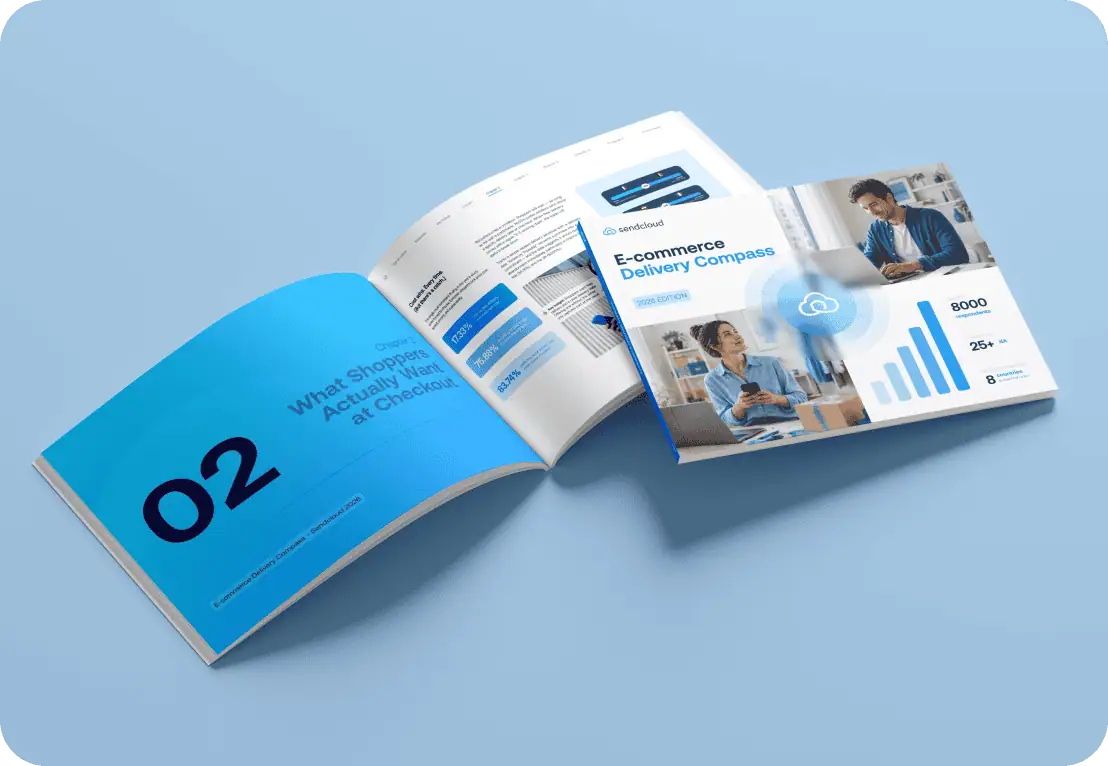
This report gives you the consumer side of that equation: the data you need to build a Shipping Formula that matches what European shoppers actually expect. Download it, share it with your team, loop in your courier partners, or use it to kick-start your next shipping review.
THE FULL REPORT
Build your own Shipping Formula
This report gives you the consumer side of that equation: the data you need to build a Shipping Formula that matches what European shoppers actually expect. Download it, share it with your team, loop in your courier partners, or use it to kick-start your next shipping review.
THE FULL REPORT
Build your own Shipping Formula
This report gives you the consumer side of that equation: the data you need to build a Shipping Formula that matches what European shoppers actually expect. Download it, share it with your team, loop in your courier partners, or use it to kick-start your next shipping review.
FAQs
What do the latest e-commerce delivery statistics tell us about European shoppers?
That delivery has become a buying decision, not a back-end detail. 48% of European shoppers abandoned their basket due to delivery issues in the last 3 months, 77% experienced at least one problem with their most recent delivery, and 76% prefer stores that show a specific delivery date at checkout. In 2026, shoppers make up their mind at checkout. And when the experience falls short, they don’t stick around.
What are the biggest online shopping trends in Europe right now?
Three structural shifts stand out in the data:
Marketplaces dominate the start of the journey. They are used by 49% of all European shoppers, and by a remarkable 93% in the UK.
AI-assisted shopping has gone mainstream. 43% of European shoppers have used an AI tool to decide where to buy a product, and 19% say it influenced their final decision.
The post-purchase experience has quietly become a loyalty battleground. 77% of shoppers are more loyal to retailers who handle delivery issues transparently.
These trends point to the same thing. The buying decision is happening earlier in the journey, and the loyalty decision happens after delivery. Most retailers are still not planning for this shift.
What is the leading cause of cart abandonment in 2026?
Delivery, by a clear margin. 48% of European shoppers abandoned their cart due to delivery issues in the last 3 months, and 29% stopped ordering from a shop after a bad experience.
Most of these issues can be fixed at checkout, before logistics even come into play.
How do consumer delivery expectations differ across European markets?
Quite a lot. Online shopping data from the UK, Germany, and France looks very different from Belgium, Italy, or Spain. German shoppers prioritise speed. Belgians are happy to wait. French shoppers reward easy returns and expect clear delivery dates. And shoppers in Italy and Spain are the most active on WhatsApp.
A single pan-European delivery promise won’t perform across all markets.
What are returns telling us about international e-commerce trends?
Buying internationally is mainstream, but still fragile. 64% of European shoppers ordered from a store outside their country in the last 6 months, led by Austria and Italy at 73% each.
But the biggest barriers aren’t speed. They’re uncertain. Unexpected delivery costs (19%), longer delivery times than expected (17%), and surprise customs duties (16%) still hold shoppers back.
The unlock isn’t faster shipping. It’s clear that landed costs and reliable delivery dates. In fact, 20% of shoppers say this would make them more likely to buy internationally.
How was this e-commerce delivery statistics report compiled?
The E-commerce Delivery Compass study is based on an online survey of 8,000 consumers across 8 European markets: the Netherlands, Belgium, Germany, Austria, France, the UK, Italy, and Spain. Each country includes 1,000 respondents aged 18–65, all online shoppers, with an even split across genders.
The survey was conducted in March 2026 and covered 28 questions on shopping habits, checkout behaviour, delivery expectations, returns, post-purchase communication, cross-border shopping, and AI-assisted buying.
Every finding is benchmarked against a global average and broken down by country, so you can compare performance and spot opportunities.
Who is the report for, and can I share it?
It’s built for e-commerce decision-makers (retailers, operations and logistics leads, CX, and marketing teams) who want reliable data to guide delivery, returns, and post-purchase decisions.
It’s also useful for partners, carriers, and press looking for fresh, pan-European e-commerce insights.
The report is free and ungated. You can download it, share it, cite it, and use it in your own content. If you reference it, please attribute it to “Sendcloud, E-commerce Delivery Compass 2026.”
FAQs
What do the latest e-commerce delivery statistics tell us about European shoppers?
That delivery has become a buying decision, not a back-end detail. 48% of European shoppers abandoned their basket due to delivery issues in the last 3 months, 77% experienced at least one problem with their most recent delivery, and 76% prefer stores that show a specific delivery date at checkout. In 2026, shoppers make up their mind at checkout. And when the experience falls short, they don’t stick around.
What are the biggest online shopping trends in Europe right now?
Three structural shifts stand out in the data:
Marketplaces dominate the start of the journey. They are used by 49% of all European shoppers, and by a remarkable 93% in the UK.
AI-assisted shopping has gone mainstream. 43% of European shoppers have used an AI tool to decide where to buy a product, and 19% say it influenced their final decision.
The post-purchase experience has quietly become a loyalty battleground. 77% of shoppers are more loyal to retailers who handle delivery issues transparently.
These trends point to the same thing. The buying decision is happening earlier in the journey, and the loyalty decision happens after delivery. Most retailers are still not planning for this shift.
What is the leading cause of cart abandonment in 2026?
Delivery, by a clear margin. 48% of European shoppers abandoned their cart due to delivery issues in the last 3 months, and 29% stopped ordering from a shop after a bad experience.
Most of these issues can be fixed at checkout, before logistics even come into play.
How do consumer delivery expectations differ across European markets?
Quite a lot. Online shopping data from the UK, Germany, and France looks very different from Belgium, Italy, or Spain. German shoppers prioritise speed. Belgians are happy to wait. French shoppers reward easy returns and expect clear delivery dates. And shoppers in Italy and Spain are the most active on WhatsApp.
A single pan-European delivery promise won’t perform across all markets.
What are returns telling us about international e-commerce trends?
Buying internationally is mainstream, but still fragile. 64% of European shoppers ordered from a store outside their country in the last 6 months, led by Austria and Italy at 73% each.
But the biggest barriers aren’t speed. They’re uncertain. Unexpected delivery costs (19%), longer delivery times than expected (17%), and surprise customs duties (16%) still hold shoppers back.
The unlock isn’t faster shipping. It’s clear that landed costs and reliable delivery dates. In fact, 20% of shoppers say this would make them more likely to buy internationally.
How was this e-commerce delivery statistics report compiled?
The E-commerce Delivery Compass study is based on an online survey of 8,000 consumers across 8 European markets: the Netherlands, Belgium, Germany, Austria, France, the UK, Italy, and Spain. Each country includes 1,000 respondents aged 18–65, all online shoppers, with an even split across genders.
The survey was conducted in March 2026 and covered 28 questions on shopping habits, checkout behaviour, delivery expectations, returns, post-purchase communication, cross-border shopping, and AI-assisted buying.
Every finding is benchmarked against a global average and broken down by country, so you can compare performance and spot opportunities.
Who is the report for, and can I share it?
It’s built for e-commerce decision-makers (retailers, operations and logistics leads, CX, and marketing teams) who want reliable data to guide delivery, returns, and post-purchase decisions.
It’s also useful for partners, carriers, and press looking for fresh, pan-European e-commerce insights.
The report is free and ungated. You can download it, share it, cite it, and use it in your own content. If you reference it, please attribute it to “Sendcloud, E-commerce Delivery Compass 2026.”
FAQs
What do the latest e-commerce delivery statistics tell us about European shoppers?
That delivery has become a buying decision, not a back-end detail. 48% of European shoppers abandoned their basket due to delivery issues in the last 3 months, 77% experienced at least one problem with their most recent delivery, and 76% prefer stores that show a specific delivery date at checkout. In 2026, shoppers make up their mind at checkout. And when the experience falls short, they don’t stick around.
What are the biggest online shopping trends in Europe right now?
Three structural shifts stand out in the data:
Marketplaces dominate the start of the journey. They are used by 49% of all European shoppers, and by a remarkable 93% in the UK.
AI-assisted shopping has gone mainstream. 43% of European shoppers have used an AI tool to decide where to buy a product, and 19% say it influenced their final decision.
The post-purchase experience has quietly become a loyalty battleground. 77% of shoppers are more loyal to retailers who handle delivery issues transparently.
These trends point to the same thing. The buying decision is happening earlier in the journey, and the loyalty decision happens after delivery. Most retailers are still not planning for this shift.
What is the leading cause of cart abandonment in 2026?
Delivery, by a clear margin. 48% of European shoppers abandoned their cart due to delivery issues in the last 3 months, and 29% stopped ordering from a shop after a bad experience.
Most of these issues can be fixed at checkout, before logistics even come into play.
How do consumer delivery expectations differ across European markets?
Quite a lot. Online shopping data from the UK, Germany, and France looks very different from Belgium, Italy, or Spain. German shoppers prioritise speed. Belgians are happy to wait. French shoppers reward easy returns and expect clear delivery dates. And shoppers in Italy and Spain are the most active on WhatsApp.
A single pan-European delivery promise won’t perform across all markets.
What are returns telling us about international e-commerce trends?
Buying internationally is mainstream, but still fragile. 64% of European shoppers ordered from a store outside their country in the last 6 months, led by Austria and Italy at 73% each.
But the biggest barriers aren’t speed. They’re uncertain. Unexpected delivery costs (19%), longer delivery times than expected (17%), and surprise customs duties (16%) still hold shoppers back.
The unlock isn’t faster shipping. It’s clear that landed costs and reliable delivery dates. In fact, 20% of shoppers say this would make them more likely to buy internationally.
How was this e-commerce delivery statistics report compiled?
The E-commerce Delivery Compass study is based on an online survey of 8,000 consumers across 8 European markets: the Netherlands, Belgium, Germany, Austria, France, the UK, Italy, and Spain. Each country includes 1,000 respondents aged 18–65, all online shoppers, with an even split across genders.
The survey was conducted in March 2026 and covered 28 questions on shopping habits, checkout behaviour, delivery expectations, returns, post-purchase communication, cross-border shopping, and AI-assisted buying.
Every finding is benchmarked against a global average and broken down by country, so you can compare performance and spot opportunities.
Who is the report for, and can I share it?
It’s built for e-commerce decision-makers (retailers, operations and logistics leads, CX, and marketing teams) who want reliable data to guide delivery, returns, and post-purchase decisions.
It’s also useful for partners, carriers, and press looking for fresh, pan-European e-commerce insights.
The report is free and ungated. You can download it, share it, cite it, and use it in your own content. If you reference it, please attribute it to “Sendcloud, E-commerce Delivery Compass 2026.”
Get the full picture of European delivery in 2026
Free plan available
Works with your shop
Cancel anytime

Get the full picture of European delivery in 2026
Free plan available
Works with your shop
Cancel anytime
Get the full picture of European delivery in 2026
Free plan available
Works with your shop
Cancel anytime
Product
Solutions
Integrations
© 2026 Sendcloud. All rights reserved
Chamber of Commerce: 66572959
VAT number: NL856613897B01
Product
Integrations
Solutions
Resources
© 2026 Sendcloud. All rights reserved
Chamber of Commerce: 66572959
VAT number: NL856613897B01
Product
© 2026 Sendcloud. All rights reserved
Chamber of Commerce: 66572959
VAT number: NL856613897B01